
Image via website
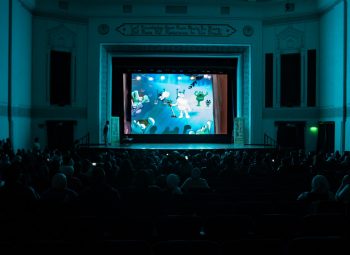
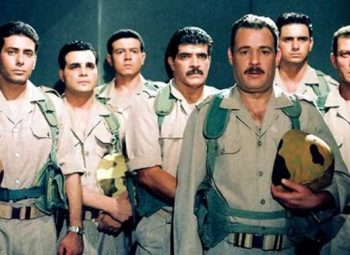
El Qesas brings back the gilded age of Egyptian cinema. It’s a film worthy of comparison with the quiet brilliance of a great Faten Hamama and Omar El Sherif classic. Delving into the heart of the Egyptian streets and the everyday lives of ordinary people, it tells the stories we often look back on as the moments that shaped our lives without us even realising it.
Episodes of Life
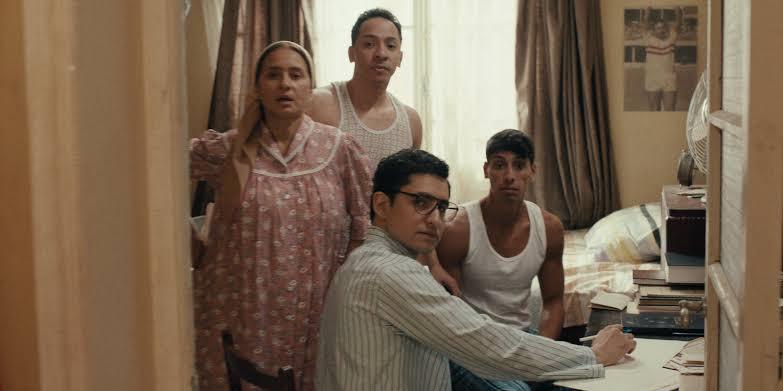
Image via website
The film’s episodic nature is a refreshing departure from the usual. The most important moments in the protagonist Ahmed’s life are divided into chapters, each marking both personal and public developments. Every episode has its own title and feels complete in itself while also contributing to a much larger story.
Emotional Performances in Seemingly Simple Acts
The cast gives talent a whole new meaning. Nelly Karim, as always, delivers a deeply genuine portrayal of Fayrouz, reminding us of our own mothers without ever losing the character’s individuality. Amir El Masry conveys so much through his body language and subtle facial expressions; he barely needs to speak to leave an impact.
This is complemented perfectly by Valerie Pachner’s gentle gaze and warm smile in the softer moments, contrasted with the thin white line of her lips during the more stoic ones. Ahmed Kamal’s reactions create some of the film’s most memorable scenes. Khaled Mokhtar reveals a new side of himself as an actor, showcasing remarkable depth in this role. Meanwhile, Ahmed El Azaar makes us emotionally invested in Hassanov, despite his limited screen time.
Finding Hope in the Darkest Moments
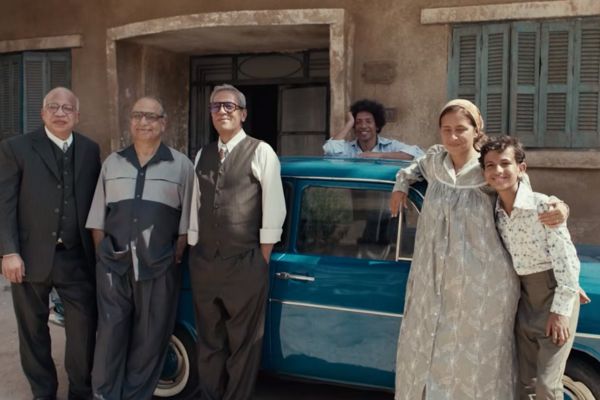
Image via website
With every difficult moment comes a glimmer of hope. The brilliance of El Qesas lies in how naturally it captures life. Nothing feels forced. Life is rarely entirely happy or entirely sad; more often, it exists somewhere in between. The film beautifully embraces that bittersweet reality.
The Vision Behind It All
Director Abu Bakr Shawky tells a beautiful story through warm colour palettes and crisp compositions. This feature film carries elements of his earlier work, particularly in its visual storytelling, its portrayal of how ordinary families are shaped by major public events, and its exploration of the relationships that define who we become.