
Image via website
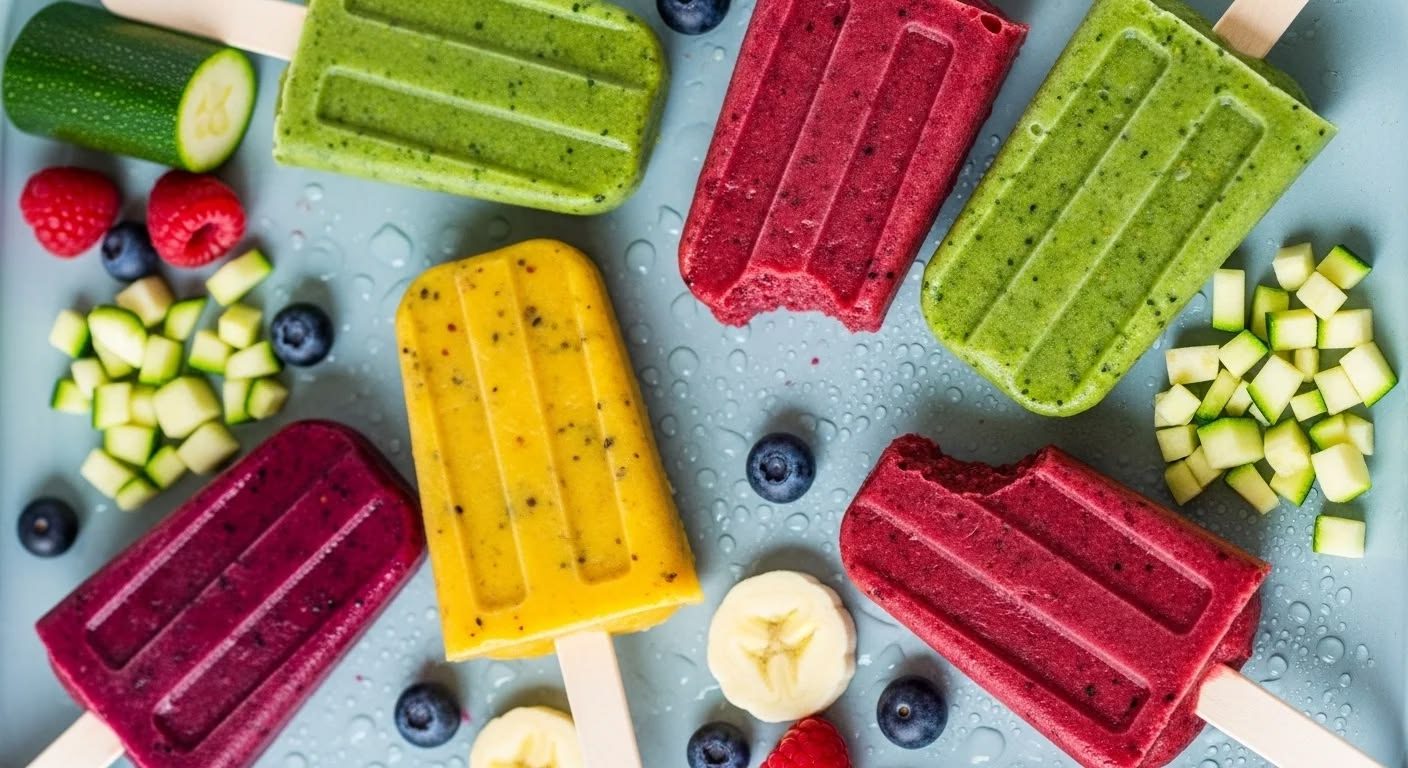
When Egypt feels like one giant oven, what you eat can make a real difference. While water is still your best defence against the heat, certain foods can help you stay hydrated, feel lighter, and keep your energy up. Here are 10 cooling foods to add to your plate during the next heatwave.
Watermelon
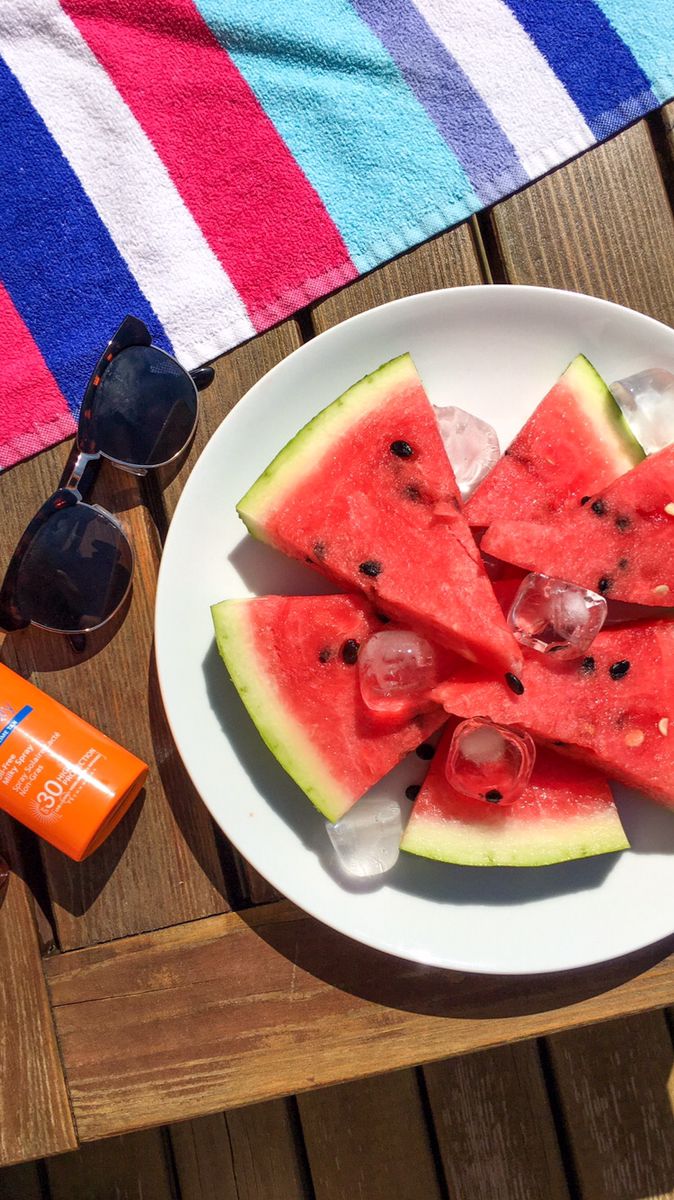
Image via website
Few foods scream summer quite like chilled watermelon. It’s packed with water, naturally sweet, and easy to enjoy when heavy meals are the last thing on your mind. Eat it straight from the fridge, blend it with ice and mint for a refreshing drink, or pair it with a little feta or Greek yoghurt for a snack that’s both sweet and satisfying.
Cucumber

Image via website
Cucumber is one of the easiest cooling foods because it’s mostly water and requires almost no preparation. Add it to salads, mix it into yoghurt, blend it into a chilled soup, or simply keep sliced cucumber in the fridge for a quick snack. It also tastes great with lemon, mint, and a pinch of salt after a hot day outdoors.
Yoghurt

Image via website
Cold yoghurt is a summer staple that’s refreshing, filling, and incredibly versatile. Enjoy it with fresh fruit, blend it into a smoothie, or turn it into a cucumber and mint salad with garlic. Its protein content helps keep you fuller for longer, making it a better option than relying on fruit or juice alone.
Tomatoes
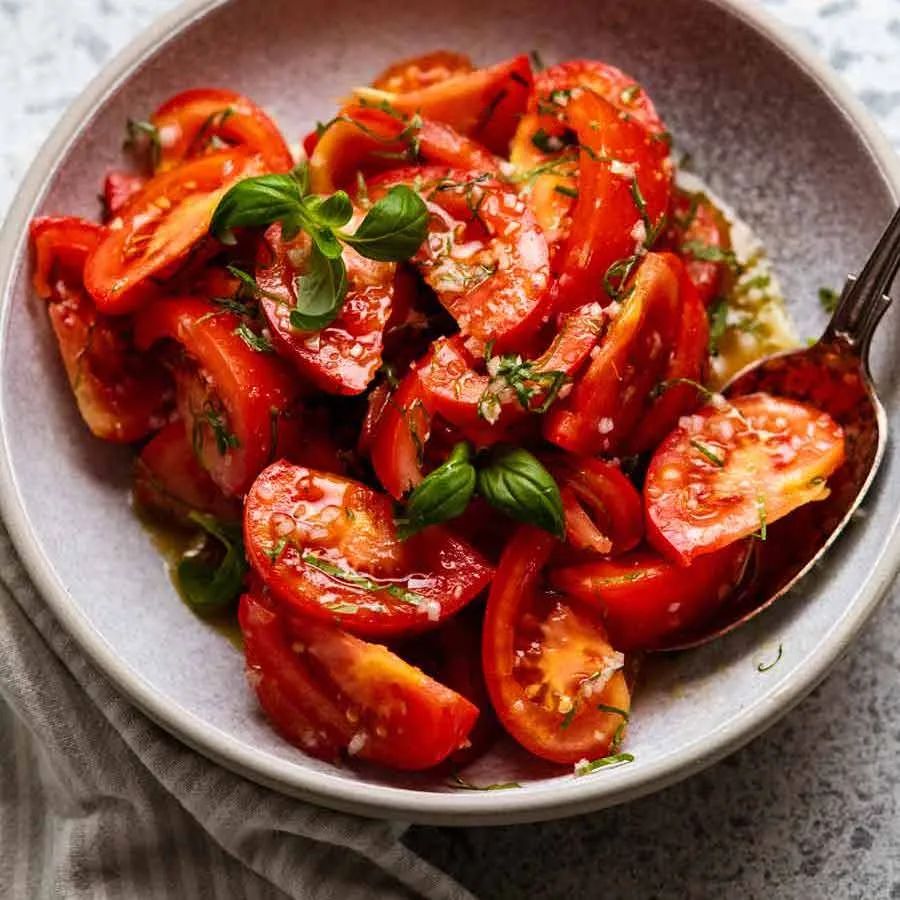
Image via website
Light, juicy, and full of flavour, tomatoes are perfect for hot weather. A simple salad with tomatoes, cucumber, onions, lemon juice, and olive oil can feel far more appealing than a heavy lunch. They’re also ideal for cold pasta salads, sandwiches, or a light mezze spread.
Leafy Greens
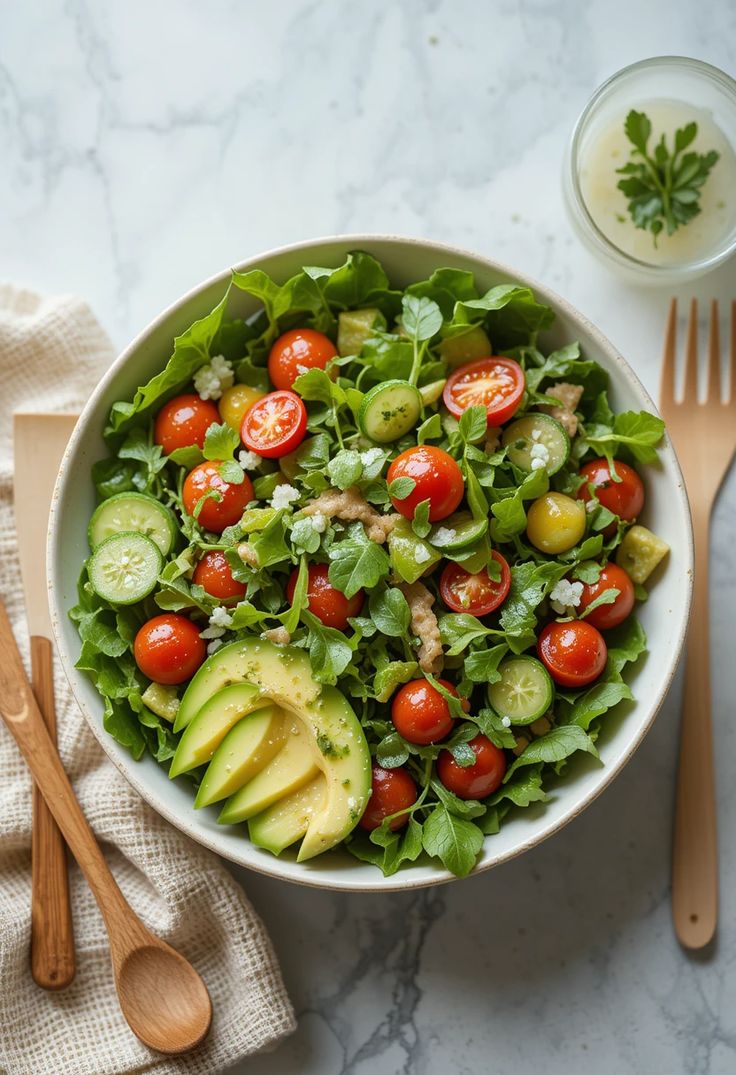
Image via website
Lettuce, rocket, spinach, and other leafy greens make meals feel lighter without sacrificing nutrition. Pair them with protein such as eggs, tuna, grilled chicken, beans, or cheese to create a salad that’s both refreshing and satisfying.
Strawberries
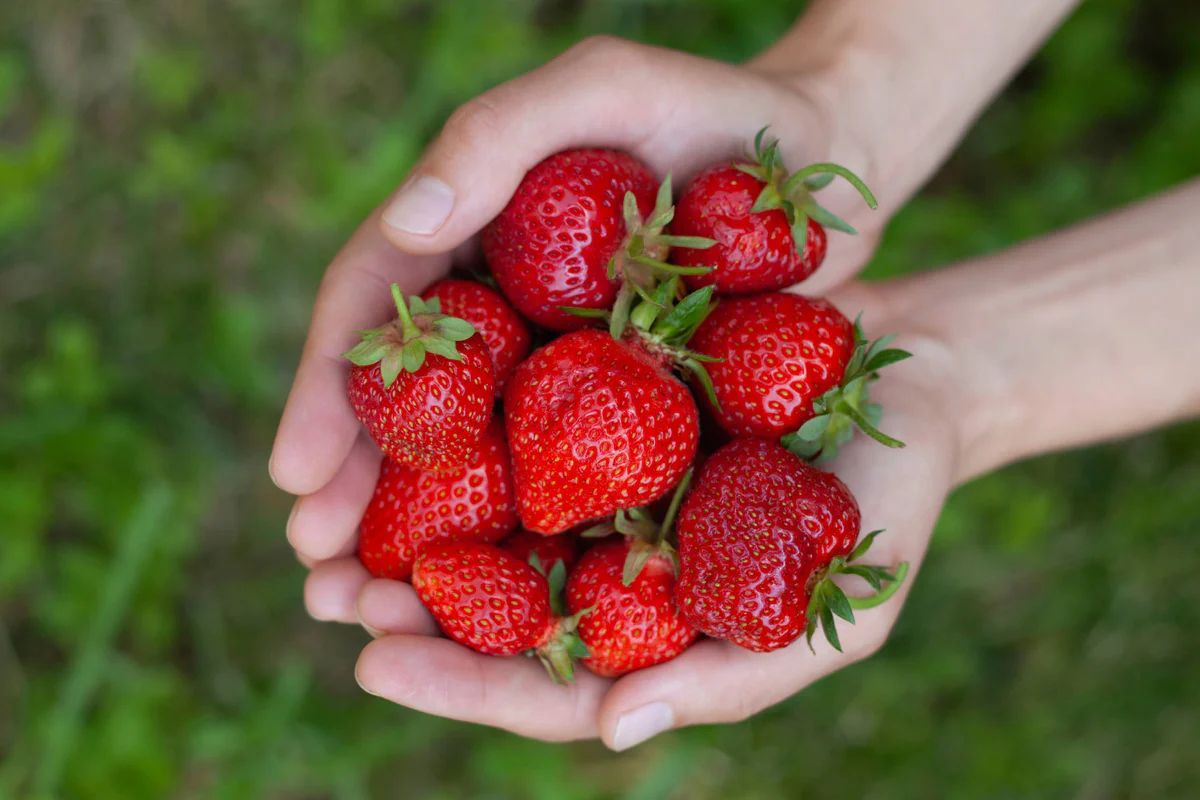
Image via website
Juicy and naturally sweet, strawberries are perfect for breakfasts and snacks during a heatwave. Add them to yoghurt, blend them into smoothies, or enjoy them with oats for a light breakfast. They’re also a great way to satisfy a sweet craving without immediately reaching for ice cream or sugary drinks.
Melon
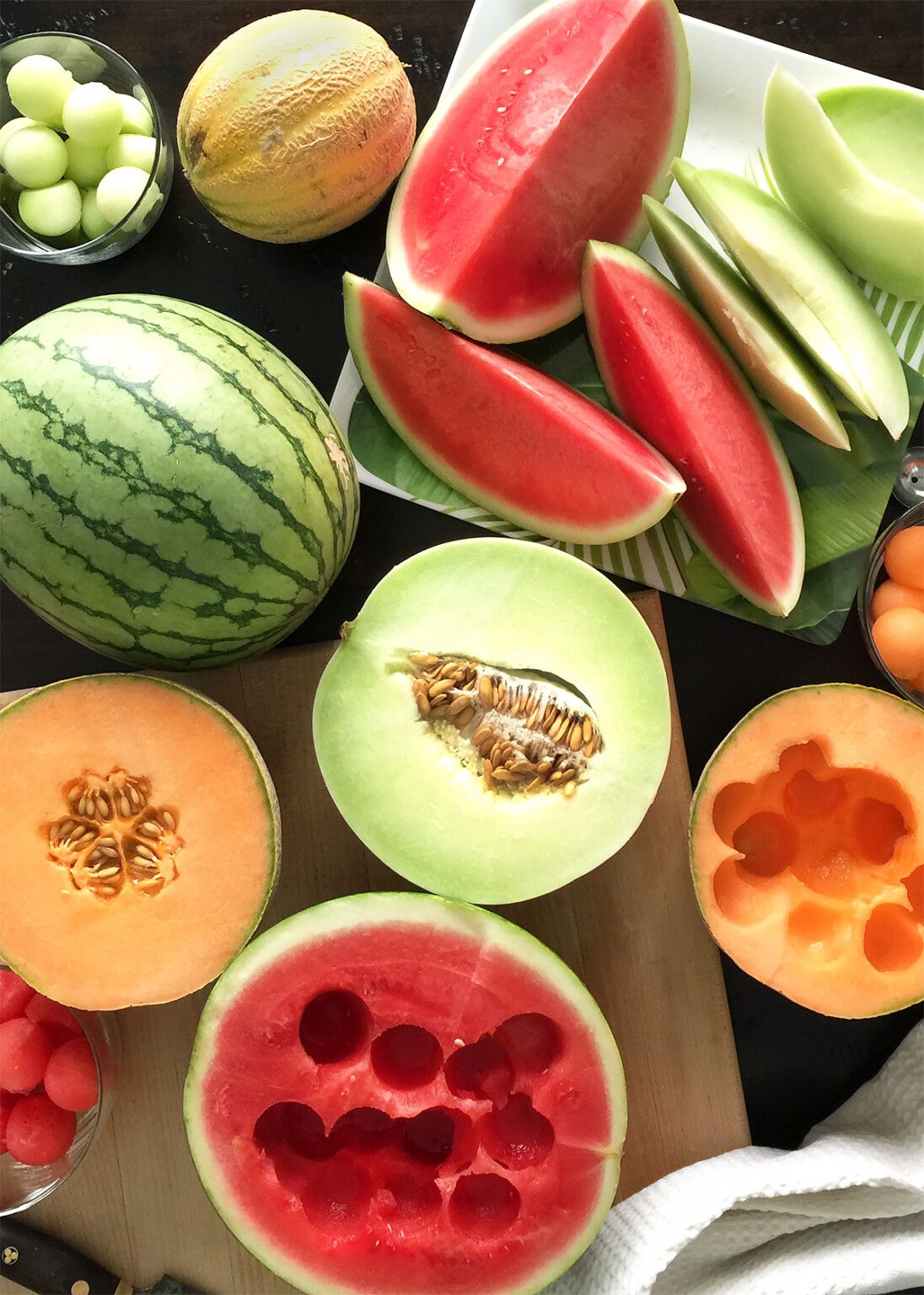
Image via website
Whether it’s cantaloupe or honeydew, melon is another excellent summer fruit. Naturally hydrating and delicious when served cold, it works well on its own, in fruit salads, or alongside yoghurt and nuts for a balanced breakfast. Keeping sliced melon in the fridge makes healthy snacking effortless.
Celery
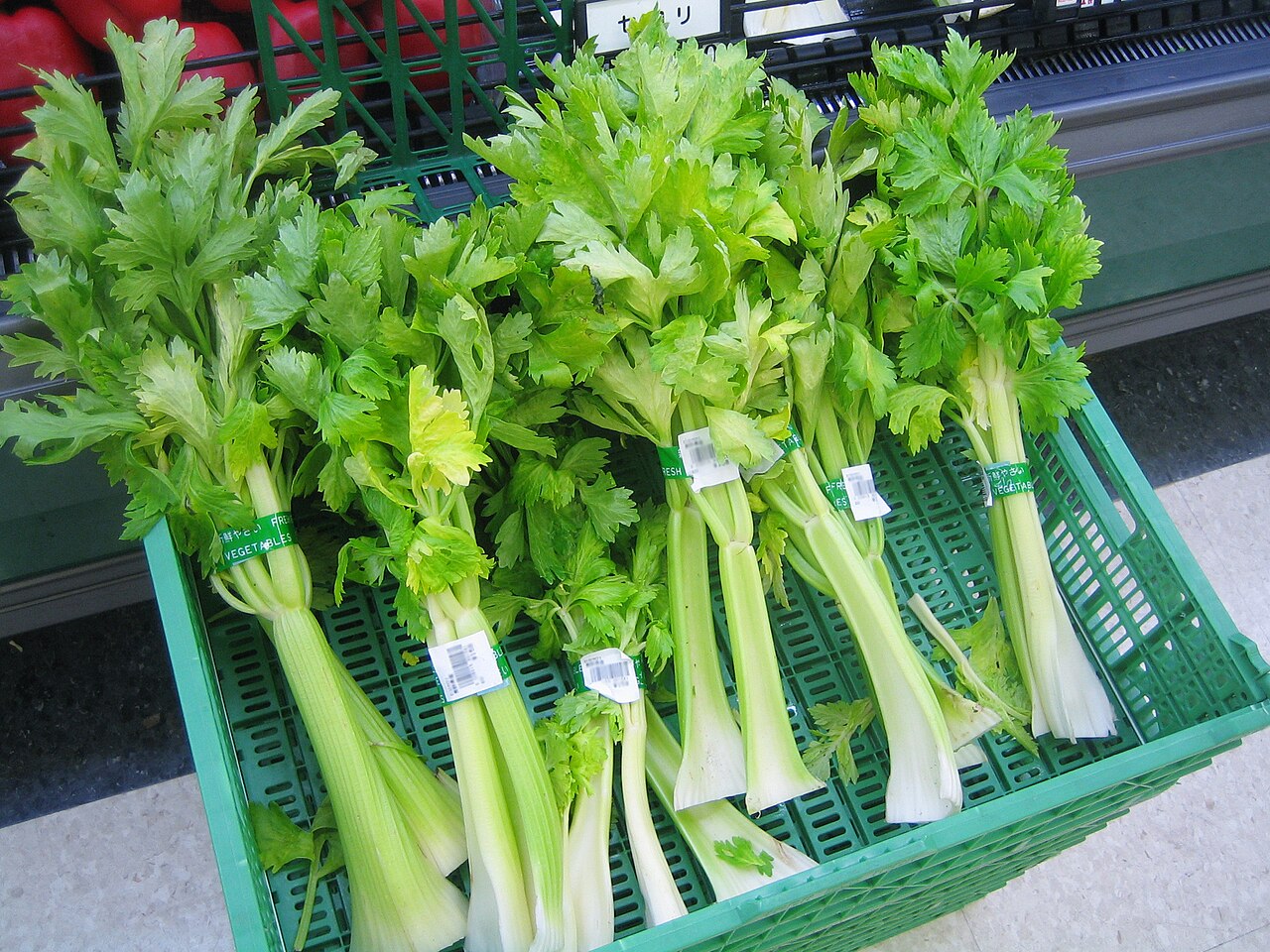
Image via website
Celery may not be the most exciting food, but it’s crisp, water-rich, and wonderfully refreshing during hot weather. Pair it with hummus, labneh, peanut butter, or a yoghurt dip for a more satisfying snack, or add it to cold salads for extra crunch.
Coconut
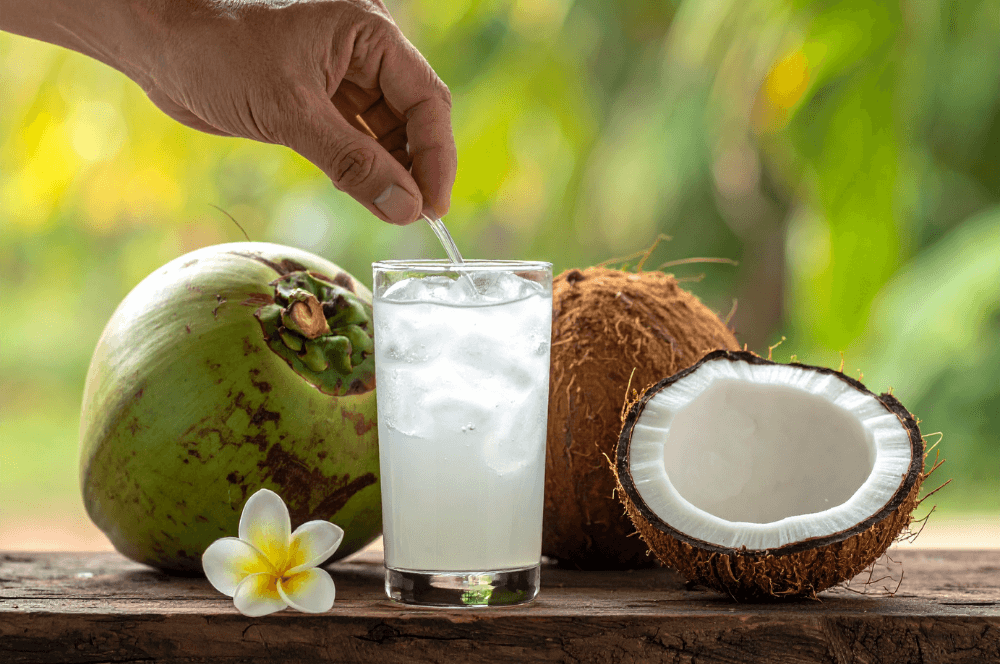
Image via website
Coconut can be a great addition to your summer diet, especially in the form of coconut water, which naturally contains electrolytes that help replace minerals lost through sweating. Fresh coconut is another refreshing option, although it’s richer than most water-heavy fruits. Opt for unsweetened coconut water whenever possible.
Cold Bean Salads
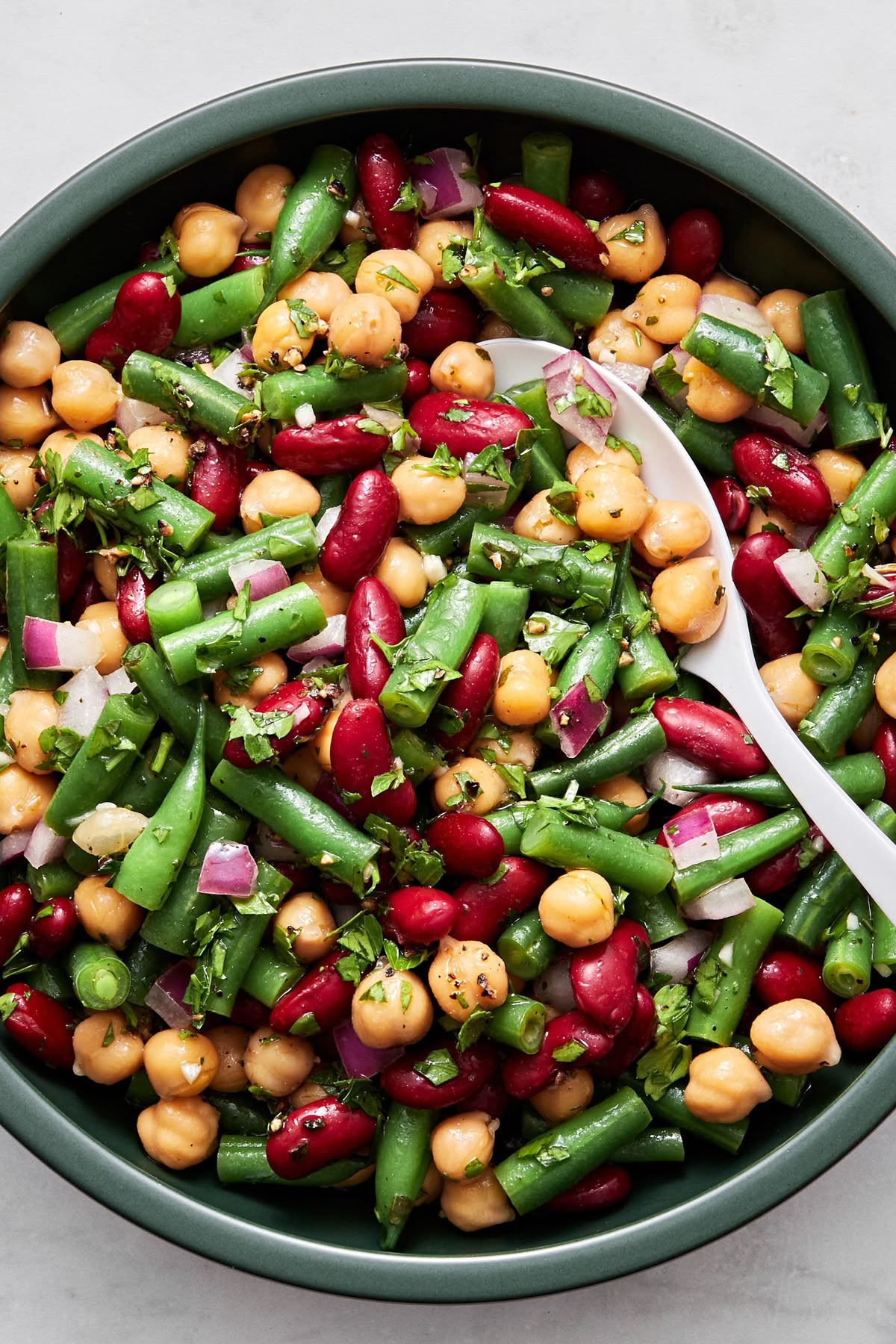
Image via website
Beans may not immediately come to mind as a cooling food, but cold bean salads are surprisingly refreshing. Mix chickpeas, white beans, black beans, or lentils with cucumber, tomatoes, herbs, lemon juice, and olive oil for a meal that’s light, filling, and perfect for hot weather.
Build the Perfect Heatwave Plate
The best summer meals combine water-rich ingredients with protein to keep you hydrated and satisfied. Think cucumber, tomatoes, and leafy greens with grilled chicken, watermelon with feta, yoghurt topped with strawberries, or a cold bean salad with herbs and lemon. These combinations provide hydration, protein, fibre, and flavour without leaving you feeling overly full.
Stay Cool, Stay Safe
Cooling foods can help you feel more comfortable, but they’re only one part of staying safe in extreme heat. Drink plenty of water, stay out of direct sunlight when possible, and pay attention to signs of heat exhaustion, including dizziness, nausea, headaches, weakness, or confusion.
Children, older adults, pregnant women, and people with underlying health conditions are especially vulnerable. If someone becomes faint, confused, or seriously unwell, seek medical attention immediately.