
Image via website
Summer makeup has many enemies. Heat, sweat, humidity, sunscreen, and natural oils can all make foundation separate, eyeliner transfer, and blush disappear long before the day is over. The solution isn’t simply to add more product, as heavy layers often break down faster in the heat. Long-lasting summer makeup depends on preparation, thin layers, careful placement, and knowing when to stop touching your face.
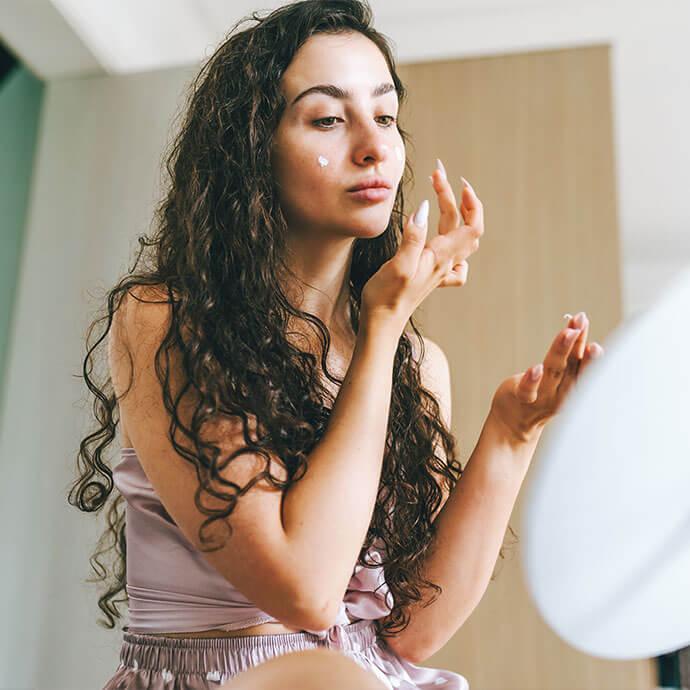
Begin With Lightweight Skincare
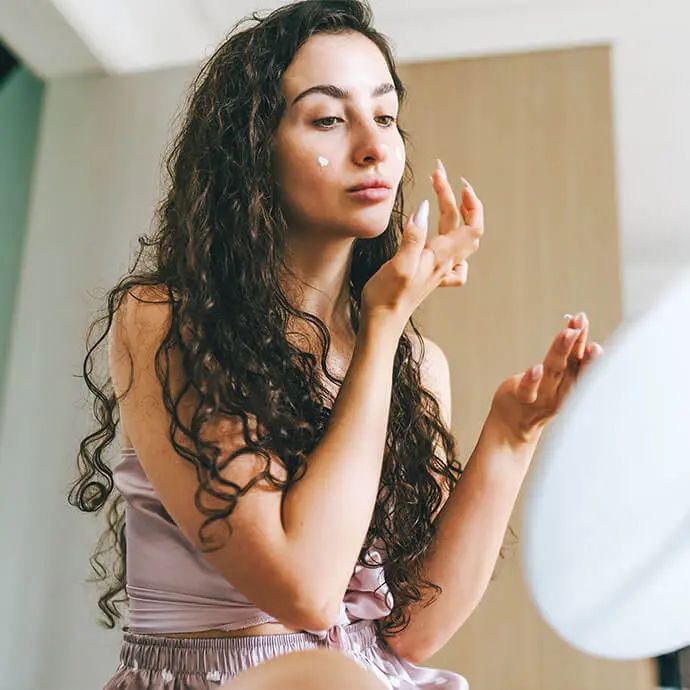
Image via website
A long-lasting makeup look starts before foundation. Thick moisturisers and several skincare layers can leave the skin slippery, particularly when the weather is humid. Use a lightweight moisturiser suited to your skin type and allow it to absorb fully before applying anything else. Oily skin may need only a gel moisturiser, while dry skin can focus richer products on areas that usually become flaky. Sunscreen remains essential, but it should be given time to settle. Applying makeup immediately over a fresh layer can cause pilling or make the base slide.
Let Sunscreen Set Before Makeup
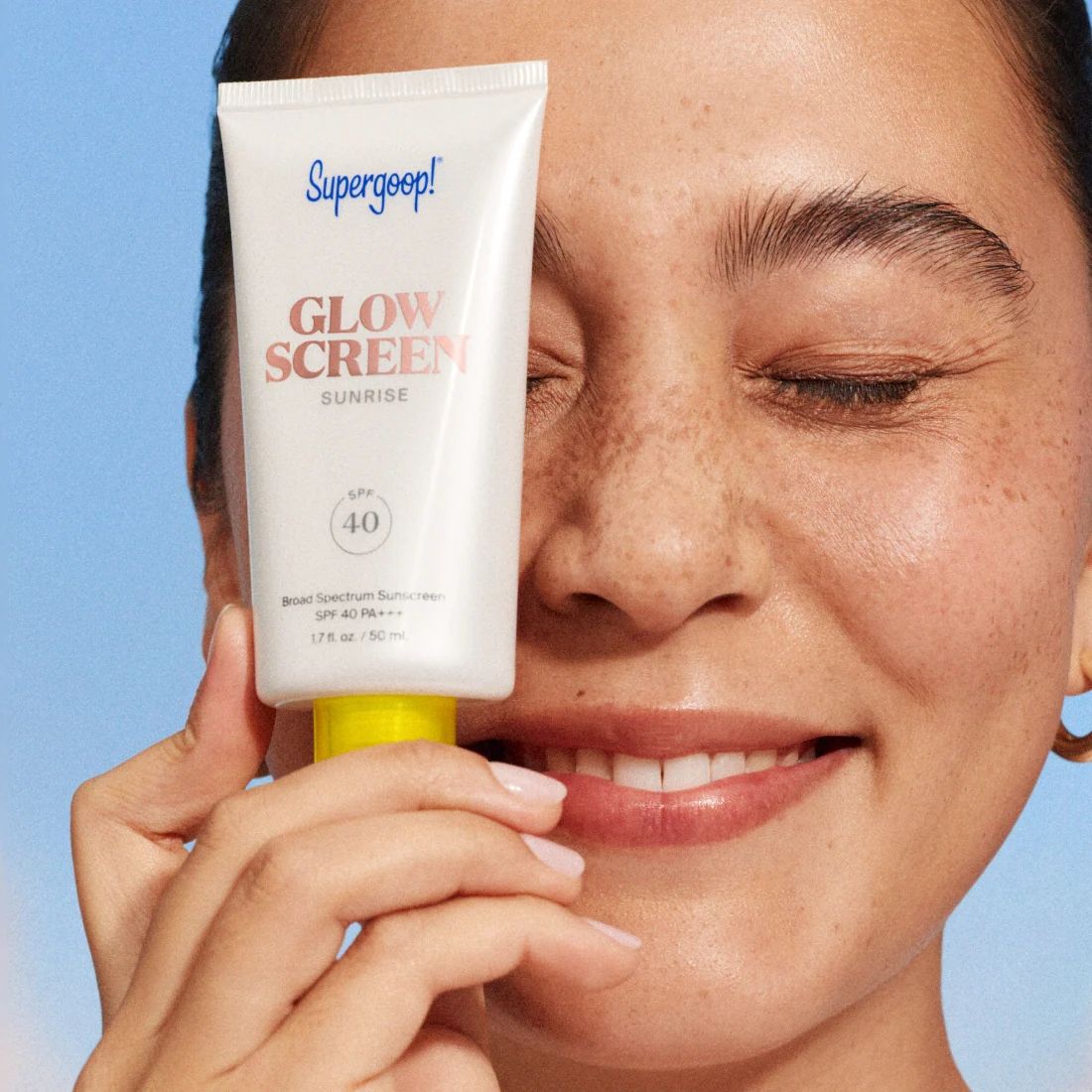
Image via website
One of the most common summer makeup mistakes is rushing straight from sunscreen into foundation. After applying sunscreen evenly, wait several minutes before beginning your makeup. This gives the product time to form a more stable layer instead of immediately mixing with primer and foundation. If your face still feels very greasy, gently press a tissue over the surface without rubbing. The goal is to remove excess shine, not the sunscreen underneath.
Choose Primer According to the Problem
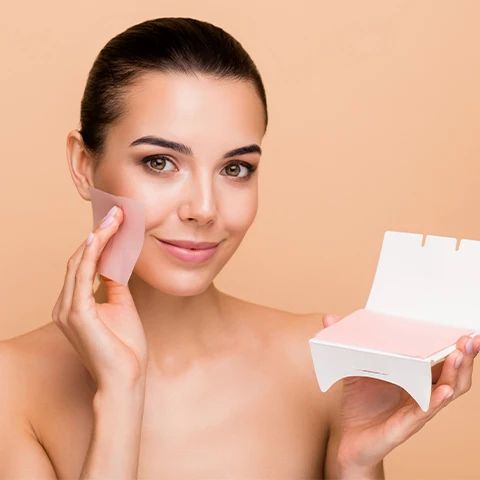
Image via website
Not every part of your face needs the same primer. A mattifying primer can help around the nose, forehead, and chin, while a hydrating or smoothing primer may work better on dry cheeks. Using one heavy mattifying product across the entire face can sometimes make foundation crack or gather around expression lines. Apply only a small amount. Too much primer can create another slippery layer rather than improving the hold.
Use Less Foundation
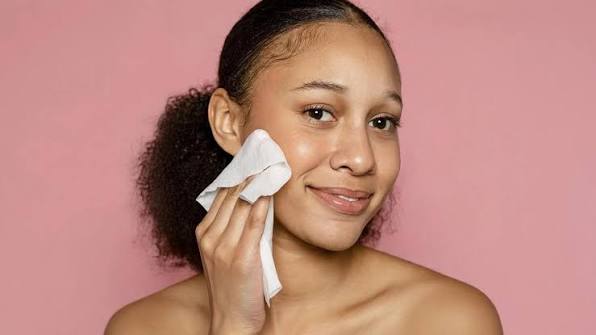
Image via website
Summer is not the best time for thick foundation unless the occasion truly requires it. A thin layer of long-wearing foundation or skin tint often survives heat better than full coverage built all at once. Start from the centre of the face, where redness and unevenness are usually stronger, then blend outward. Concealer can handle specific marks or under-eye darkness. This keeps the rest of the skin lighter and reduces the chance of the entire base separating.
Apply Your Base in Thin Layers

Image via website
The order matters, but the thickness matters even more. Instead of applying a large amount of foundation, apply a small layer, blend it, and then decide whether another layer is necessary. Pressing the product into the skin with a damp sponge can create a smoother finish than repeatedly moving it around with heavy strokes. Each layer should feel almost invisible before the next one is added.
Set Only Where Makeup Moves
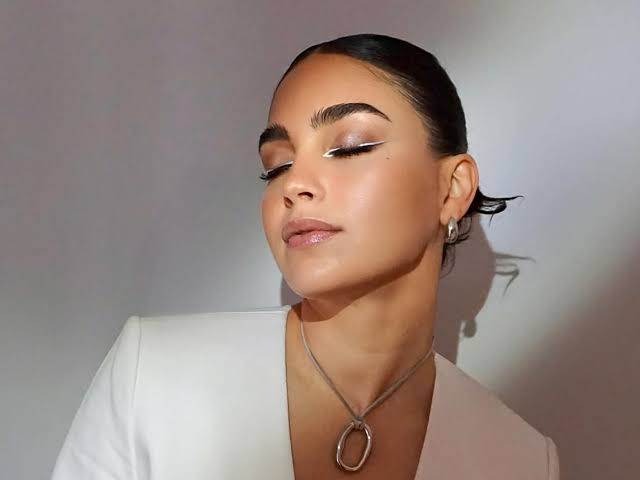
Image via website
You don’t have to powder your entire face. Focus on areas where foundation usually shifts: around the nose, between the eyebrows, under the eyes, and across the centre of the forehead. Leaving some areas less powdered can prevent the skin from looking flat or overly dry. Use a puff to press a small amount of powder into oily areas rather than sweeping it back and forth. Pressing helps set the base without disturbing what’s underneath.
Try the Powder Sandwich Method
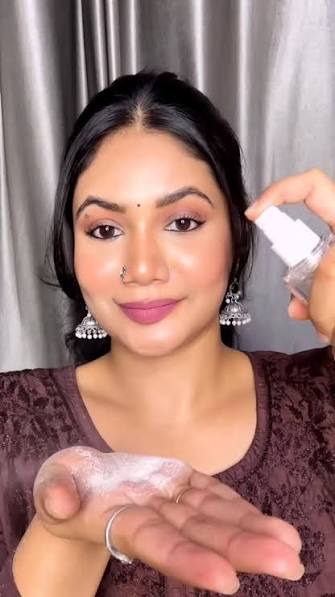
Image via website
For especially oily areas, a light “sandwich” can improve wear. Apply a very small amount of loose powder after skincare and sunscreen have settled, then use foundation, followed by another light layer of powder. This can help control oil underneath the makeup rather than waiting for shine to appear later. The method works best with restraint. Too much powder before foundation can make the final result patchy or heavy.
Use Long-Wearing Products Around the Eyes
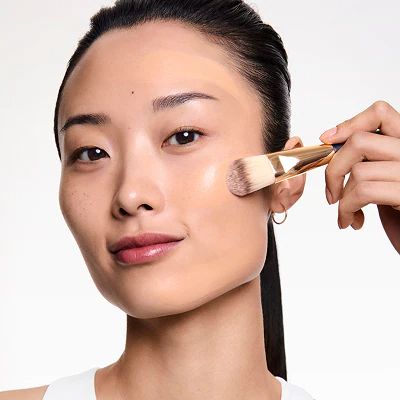
Image via website
Your eye makeup usually gives up first in the summer heat. Start with an eye primer or a small amount of concealer set with powder. Choose waterproof or long-wearing eyeliner and mascara, particularly for long outdoor days, weddings, or beach events. Tubing mascara can also be useful because it forms small tubes around the lashes and is often less likely to smudge in humidity.
Set Eyeliner With Eyeshadow
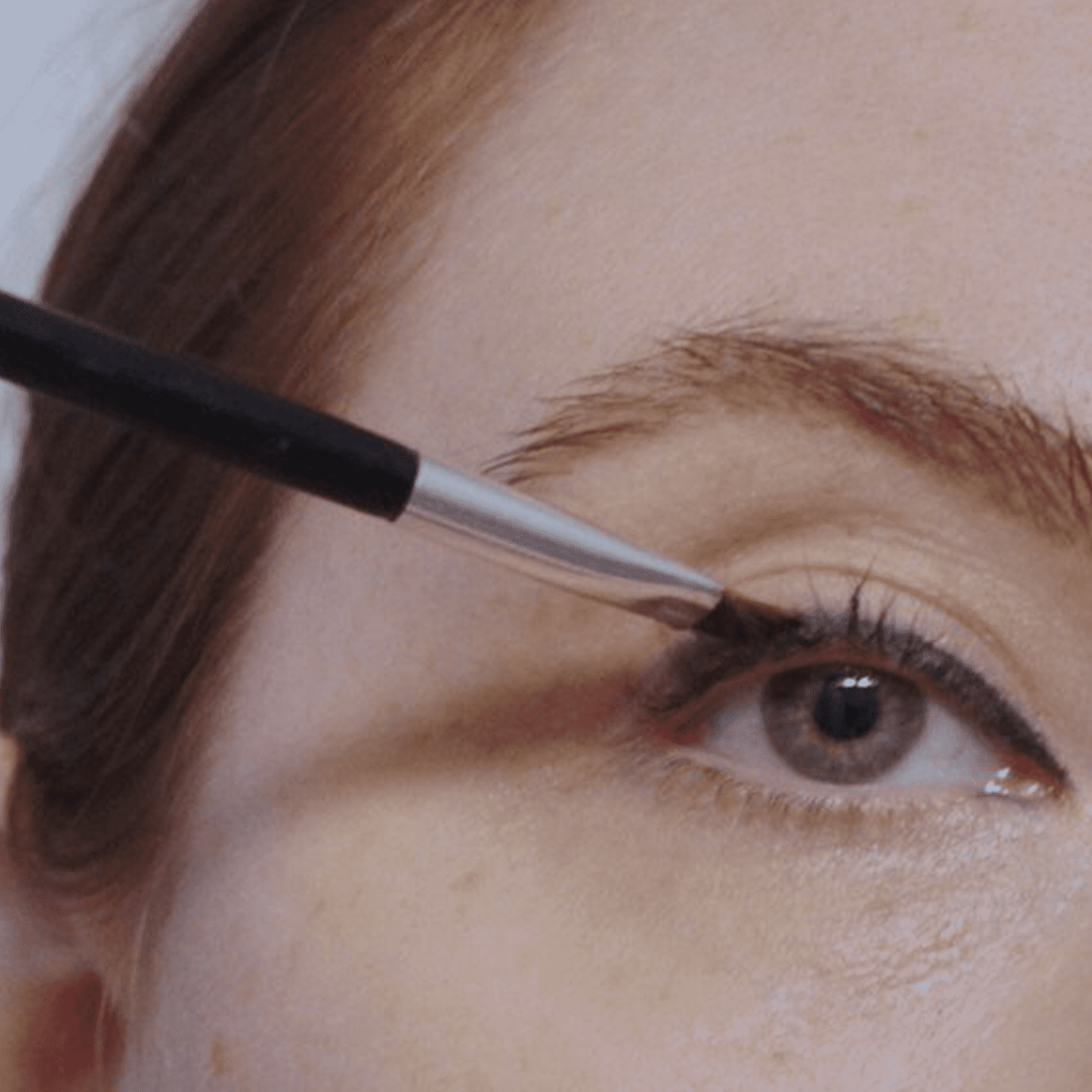
Image via website
Even waterproof eyeliner can transfer when the eyelids become oily. After applying liner, press a matching powder eyeshadow gently over it using a small angled brush. This adds depth while helping lock the pencil or gel in place. For softer summer looks, dark brown shadow can be more forgiving than sharp black liner, especially if a small amount of fading occurs.
Choose Lip Stains Over Heavy Creamy Lipstick
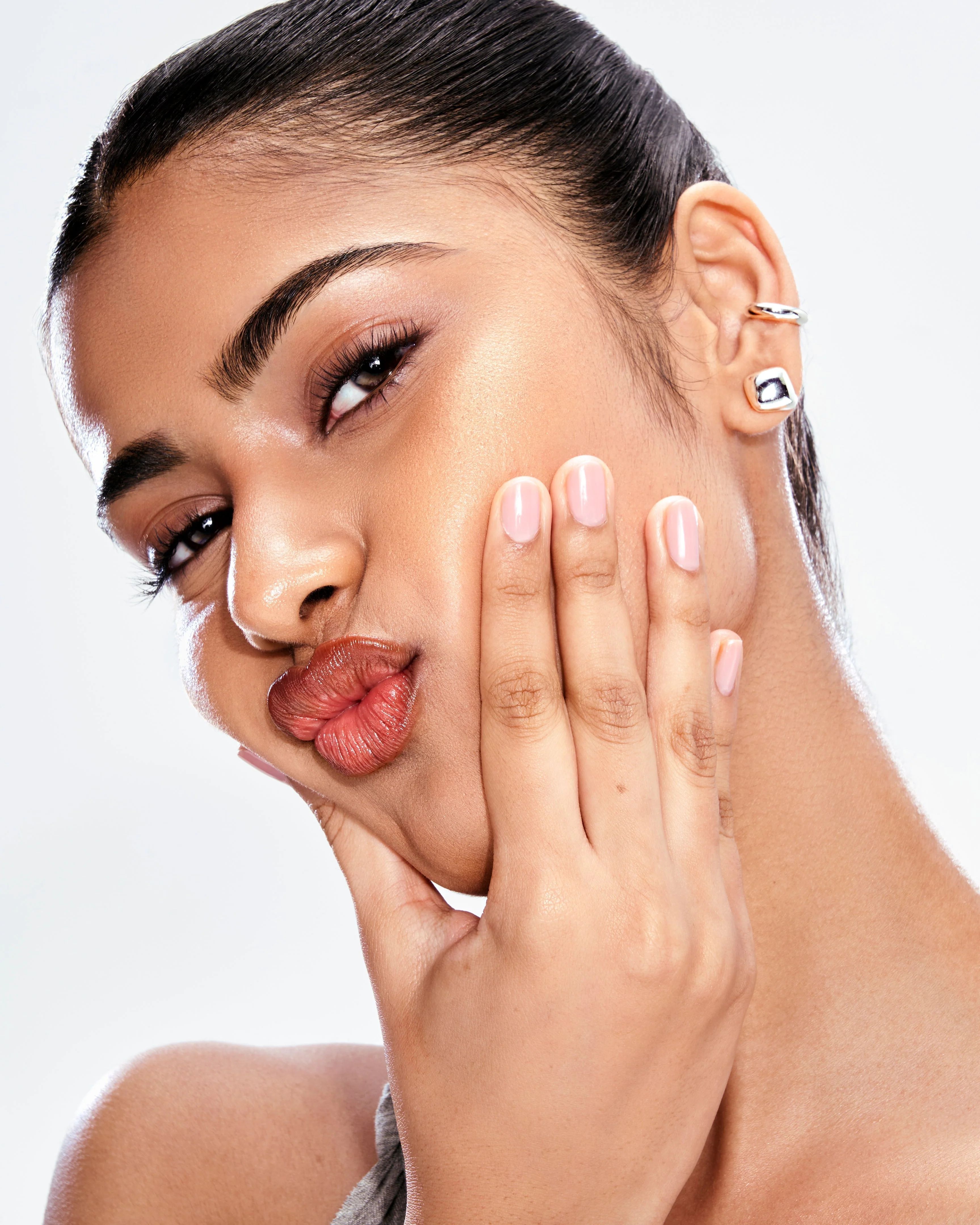
Image via website
Creamy lipstick can move easily in hot weather, particularly around meals and drinks. Lip stains, tinted balms, and long-wearing liquid lip colours usually require less maintenance. For extra hold, line the entire lip lightly with pencil before applying colour. Gloss can still be added, but keeping it mainly in the centre of the lips reduces movement around the edges.
Use Setting Spray Between Layers
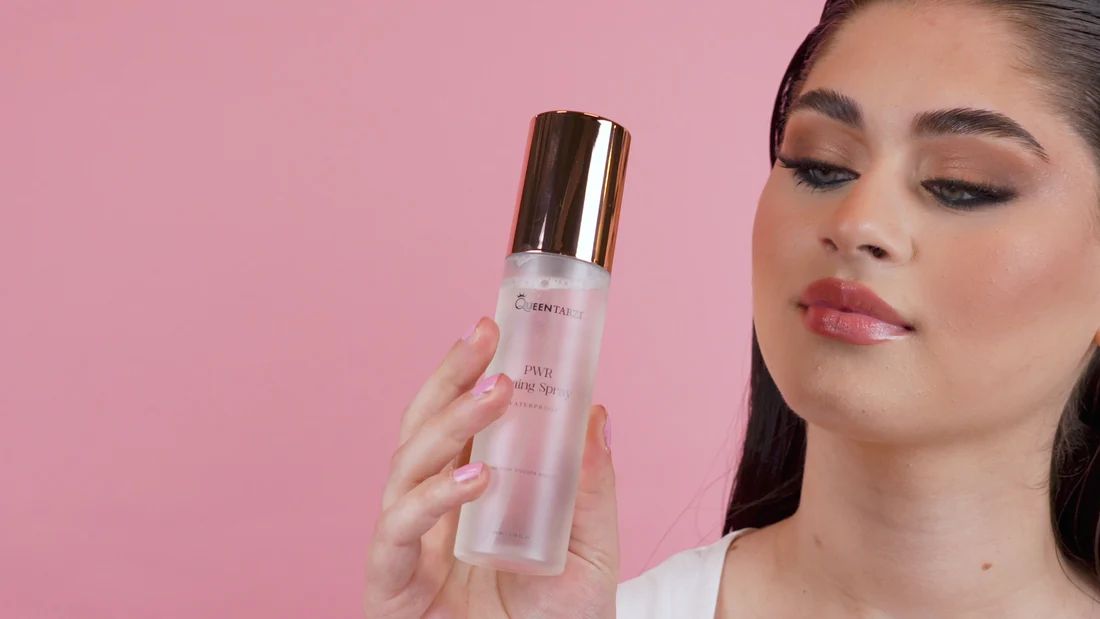
Image via website
Setting spray doesn’t have to be saved for the final step. A light mist after foundation and another after powder can help the layers settle together. The spray should be allowed to dry naturally rather than being rubbed or pressed immediately. At the end, one final mist can remove the overly powdered appearance and help the makeup look more like skin.
Carry a Small Touch-Up Kit
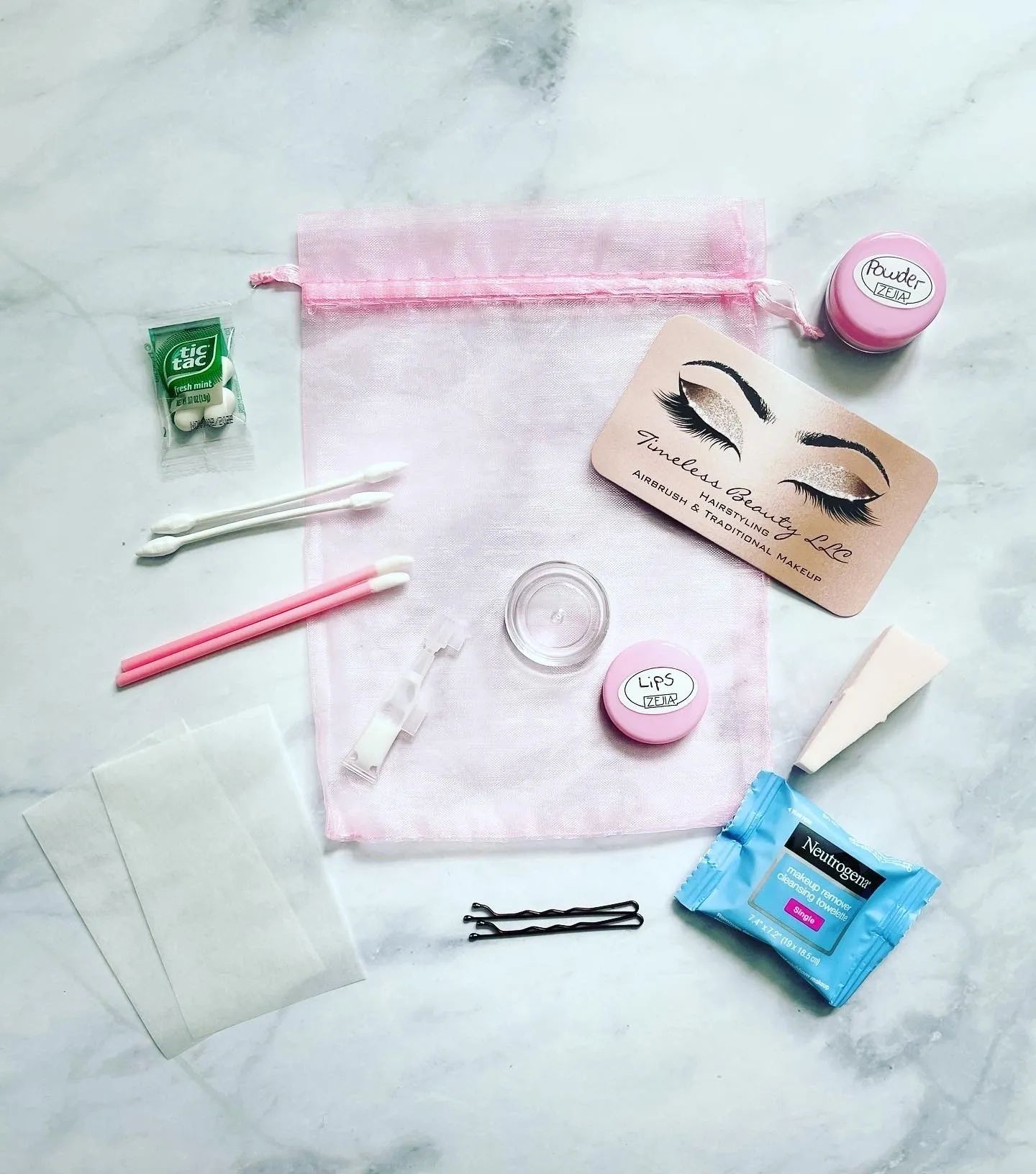
Image via website
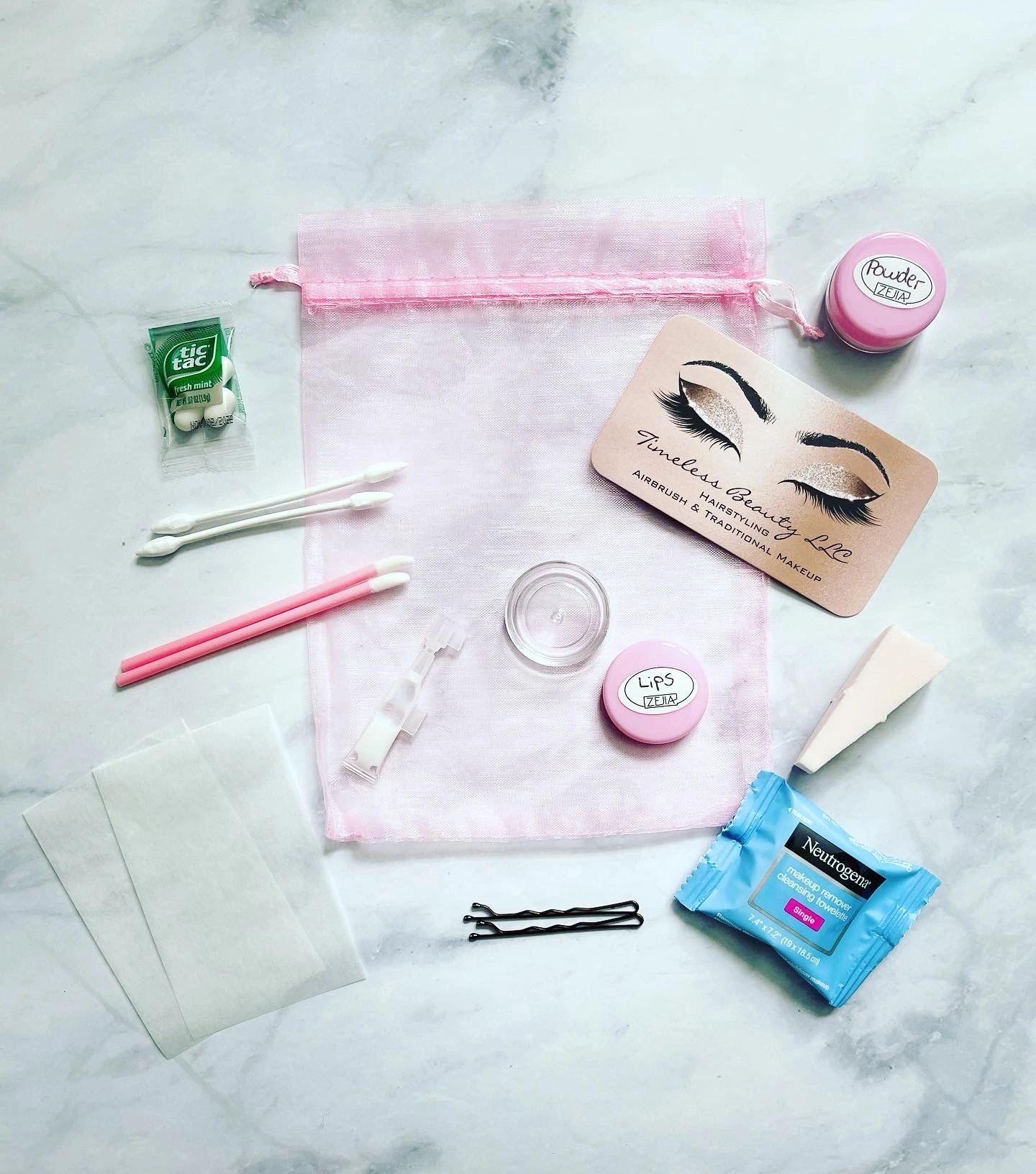
You don’t need to carry your entire makeup bag with you. Blotting papers, pressed powder, lip colour, concealer, cotton buds, and a small mirror are usually enough. Cotton buds are particularly useful for cleaning mascara transfer or eyeliner without disturbing the entire eye look. A facial mist can feel refreshing, but spraying too much may weaken the makeup rather than revive it.






:max_bytes(150000):strip_icc()/eyeshadow2-fe09552b8dea4226a06f0251a848e724.png)