Image via website
Ancient Egyptian cuisine may belong to a distant era, but some of its simplest foods have survived for thousands of years. From hearty bowls of lentils to freshly baked eish shamsi, these dishes and ingredients remain familiar parts of Egyptian food culture today.
Lentils: A Timeless Comfort Food
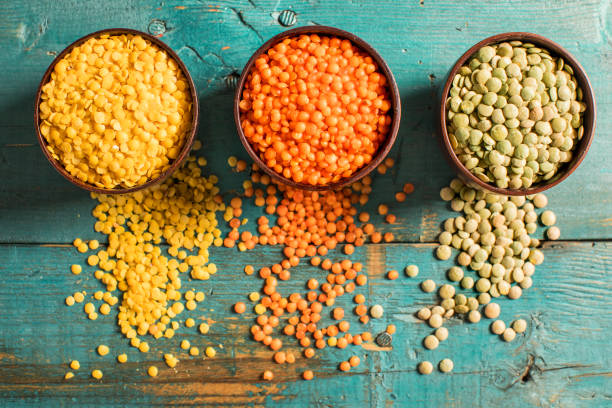
Image via website
Lentils were an important source of nutrition in ancient Egypt, where they were valued for their filling properties and ease of preparation. Today, Egyptians still enjoy lentil soup, especially during the cooler months, proving that this humble legume has truly stood the test of time.
Fuul: Egypt’s Classic Fava Beans
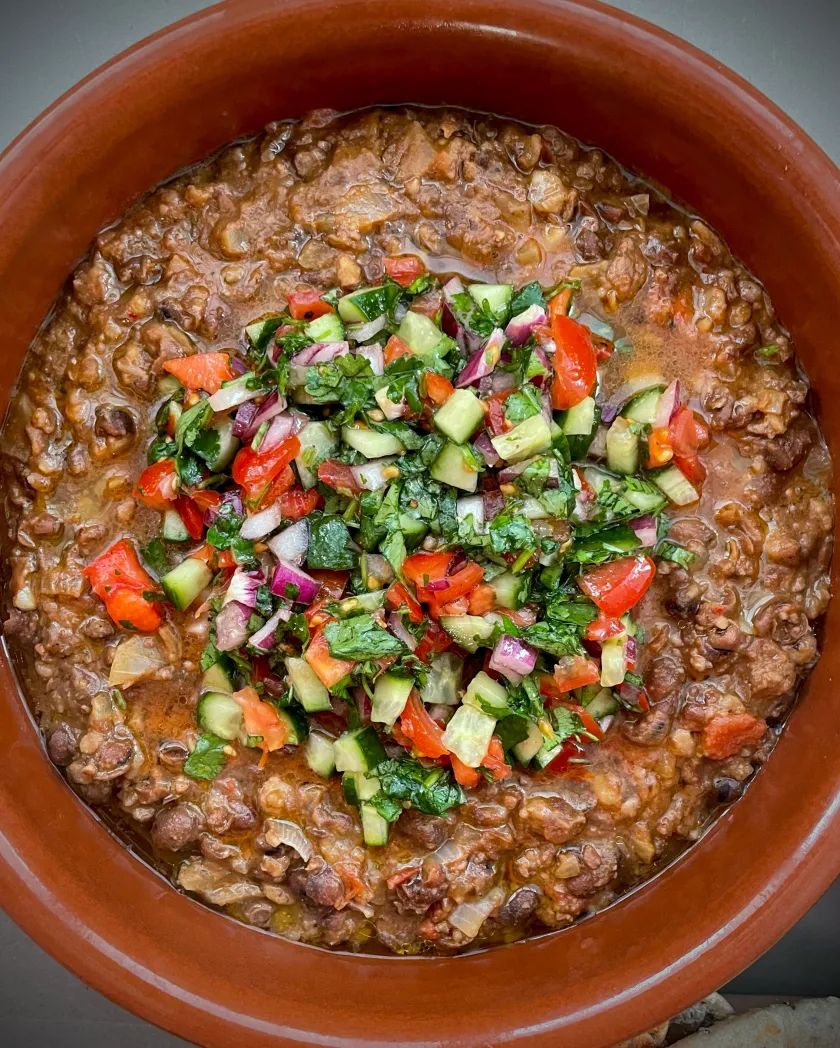
Image via website
Fuul has been a staple of Egyptian diets for centuries. Fava beans were cultivated and eaten in ancient Egypt, and they remain one of the country’s most popular breakfast foods. Usually served with olive oil, lemon, cumin, or other toppings, fuul is still enjoyed by millions every day.
Eish Shamsi: Bread Baked by the Sun
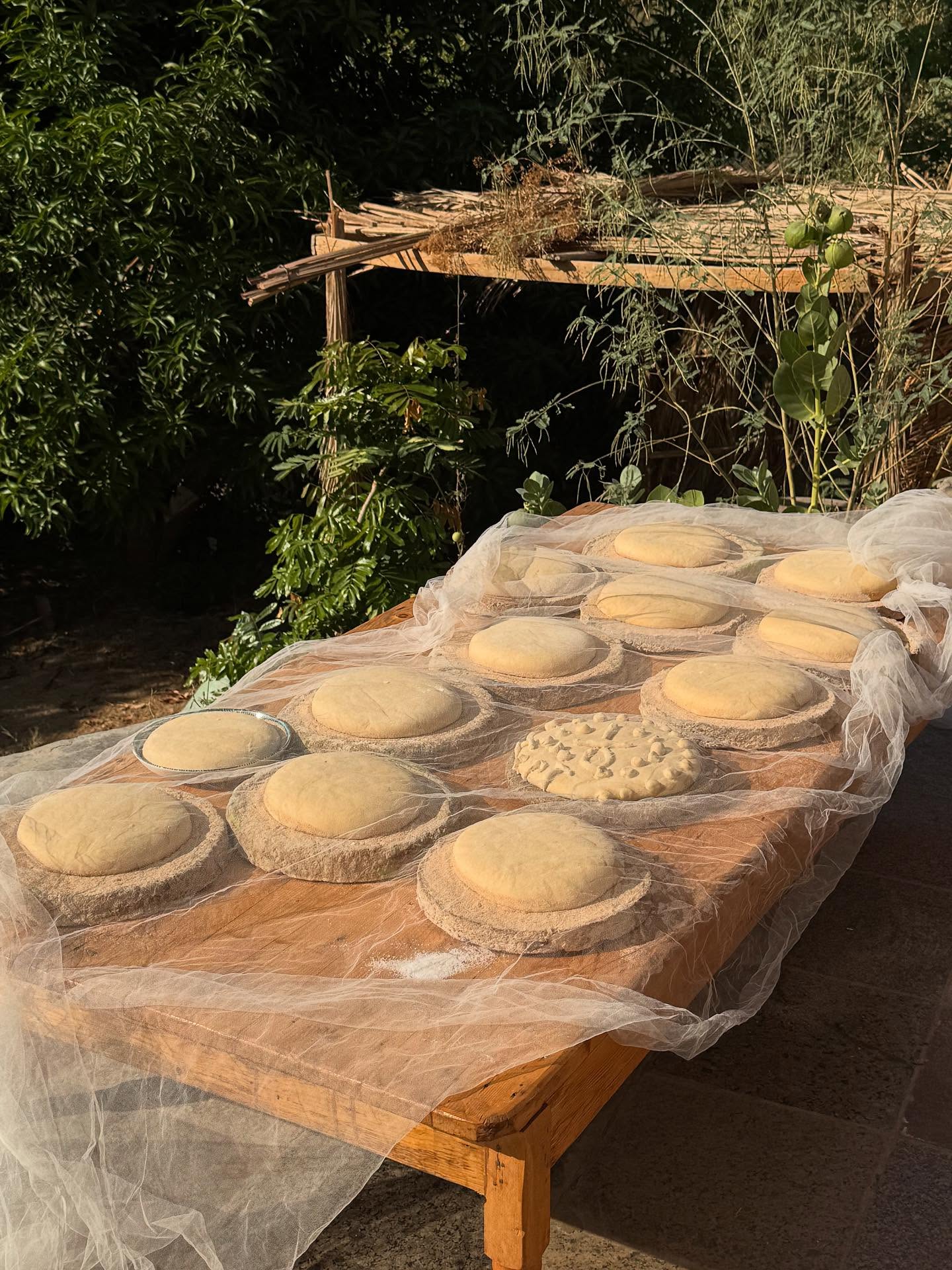
Image via website
Meaning “sun bread”, eish shamsi is a traditional Egyptian bread with roots stretching back to ancient times. Its distinctive round shape and fermented dough make it different from modern packaged bread. It is still especially popular in Upper Egypt, where families continue to bake and enjoy it.
Preserved Fish: A Tradition That Lasted
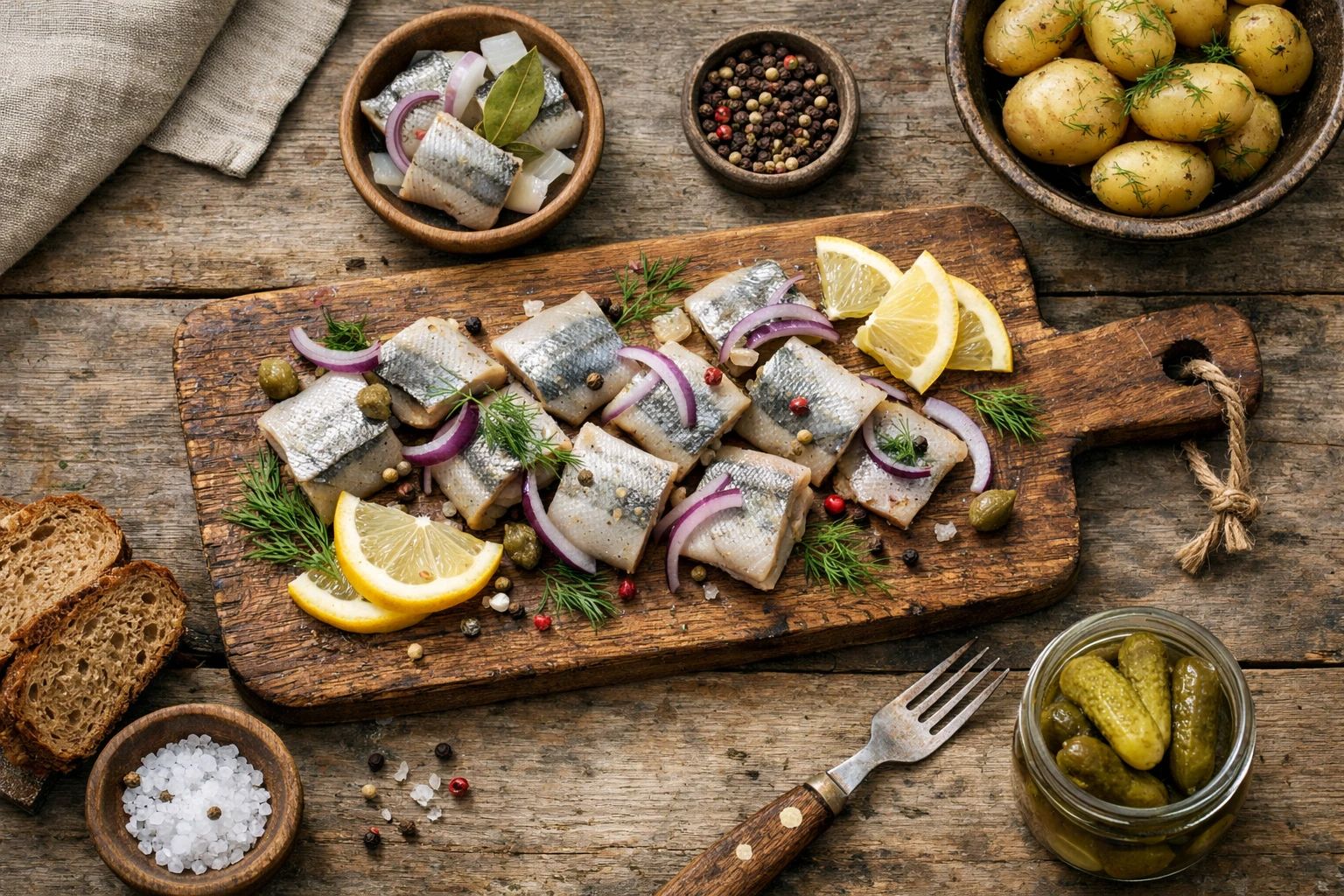
Image via website
Ancient Egyptians preserved fish using methods such as salting and drying, allowing it to last longer in a hot climate. This tradition continues today through foods such as fesikh, particularly during Sham El-Nessim celebrations. While modern preparation varies, the idea of preserving fish remains remarkably familiar.
Honey: Nature’s Ancient Sweetener
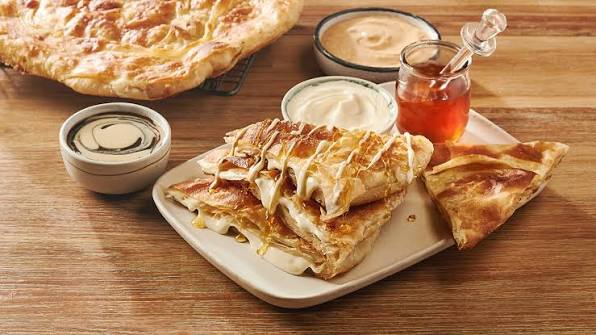
Image via website
Long before refined sugar became common, honey was one of ancient Egypt’s favourite natural sweeteners. Egyptians used it in food, drinks, and religious offerings. Today, honey remains a popular ingredient in Egyptian kitchens, adding sweetness to desserts, breakfasts, and beverages.
From everyday staples to foods linked with celebrations, these ingredients offer a delicious connection to Egypt’s distant past. Every bite is a reminder that some culinary traditions can survive for thousands of years while remaining part of modern life.