Image via website
A great story deserves to be told in more than one way. When a successful book is adapted into a film, it reaches a wider audience, though it rarely appears on screen exactly as it did on the page. Cinema speaks to different senses than literature, so many creative decisions have to be made during that transition. Ezma, however, is a unique case. With Mohamed Sadek serving as both author of the novel and the director of its film adaptation, the story remains true to its original vision while embracing the strengths of cinema.
A Story About Hope

Image via website
Eissa is in a difficult place. At 36, he is divorced and fighting a secret battle that none of his friends know about. Then, a glimmer of light from his past begins to shine through, reminding him of the dreams he left behind. The film takes us on Eissa's journey between the past and the present, leaving viewers with the feeling that, with the right support, anything is possible.
Raising Awareness Through Cinema
Cinema has always been a powerful way to discuss some of life's most important issues, and Ezma does this seamlessly. It portrays the struggle of living with a chronic illness in a way that respects the experiences of those who face it every day. Rather than relying on tragedy, the film highlights the quiet, ongoing battle while treating its subject with sensitivity and care.
Moving Performances Across Generations
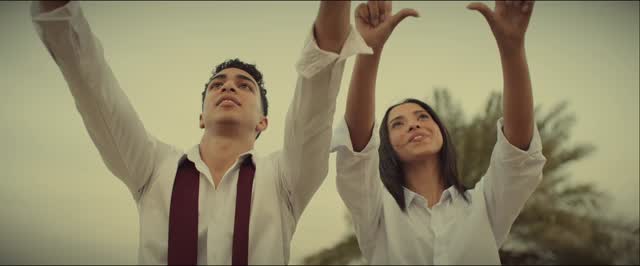
Image via website
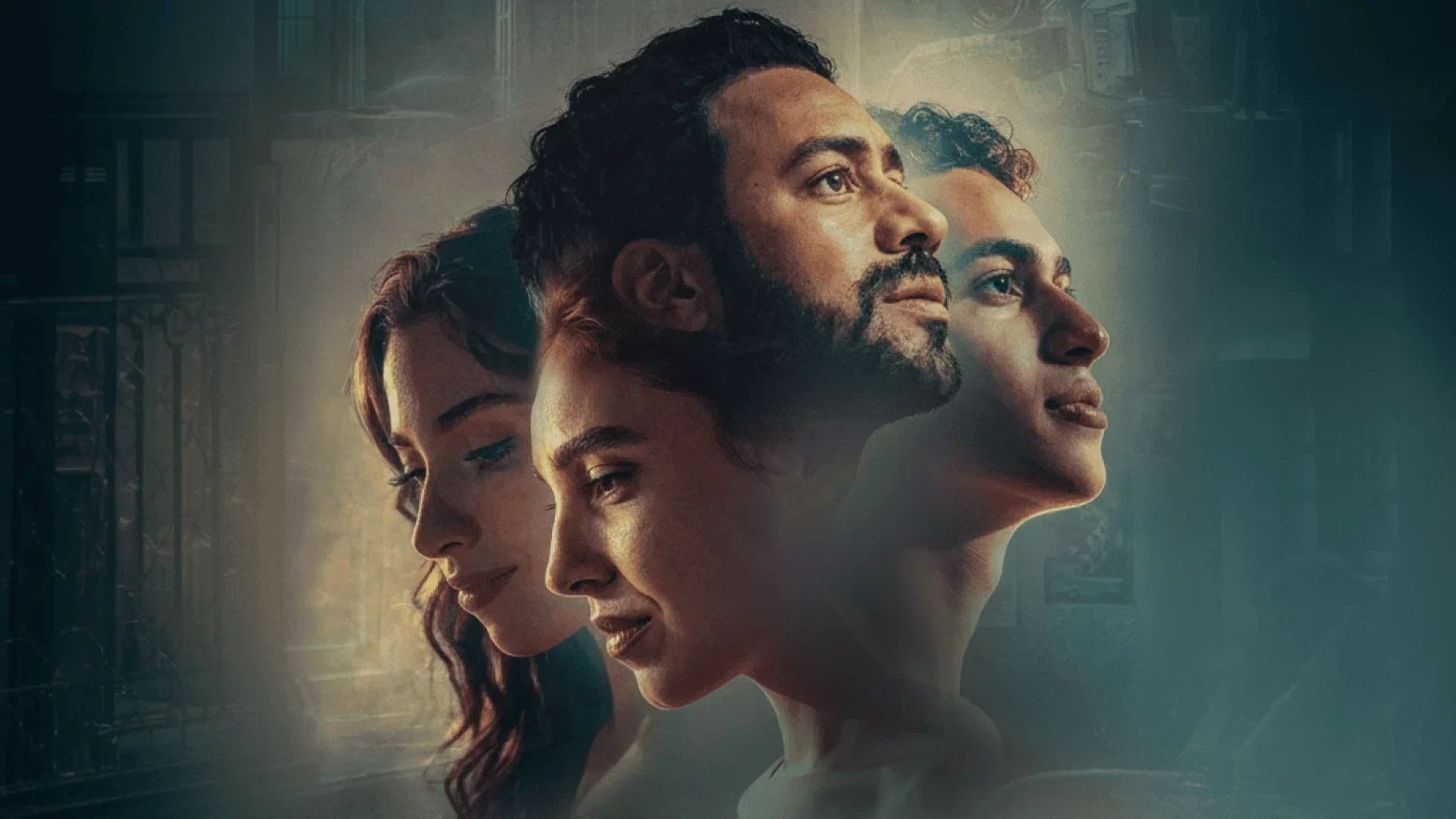
The two central characters, Eissa and Sera, are each portrayed by two actors: one representing the present and the other the past. Eissa is played by Ahmed Dawood and Hamza Diab, whose performances create a remarkable sense of continuity across different stages of the character's life, showing how time can both weigh a person down and offer hope. Similarly, Sera is portrayed by Salma Abu Deif and Jessica Hossam Eldin. Salma beautifully builds on the teenage version of the character established by Jessica, making Sera's development feel natural and believable.
Visuals That Speak
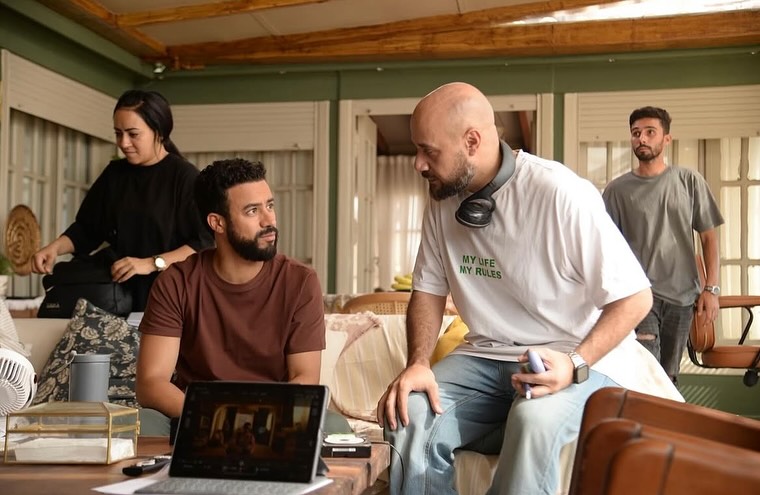
Image via website
The film's visuals communicate with the audience on a subconscious level, with warm colours representing the past. These warmer tones reflect the nostalgic lens through which many people remember their teenage years and earlier memories. The present is portrayed through slightly cooler colours, reflecting the characters' maturity and their efforts to become the best versions of themselves. The film's intro is a little unusual and may feel slightly uneasy on the eyes, but it remains the only small hitch in what is otherwise a beautifully crafted film.
All in all, Ezma offers a unique experience, particularly for those who have already read the novel. However, not having read the book does not detract from the story. Whether you're discovering Ezma for the first time or revisiting it in a new form, it's a film that's well worth watching in the cinema.