Via YouTube
In 2007, the iconic Yetraba Fi ‘Ezo series was released and everyone enjoyed every bit of it! We laughed and cried with the legendary duo, Yehya El-Fakhrany and Kariema Mokhtar. We guess we can all agree that the series offered a masterful acting class as well as touching on a very important moral. However, the series had some undeniable drawbacks! Let’s reminisce about this series’ best and worst bits:
1- Hisham Abbas’ theme song:
You’re probably already singing it in your head now. We think it was a good choice to choose such cheerful singer for this song! Whenever someone mentions this series, you start humming the song with giggles on your face. Not only the tunes are super melodic but the lyrics are also catchy, which makes the whole song really adorable and a perfect fit for the series!
Via YouTube
2- The moral lesson behind the series:
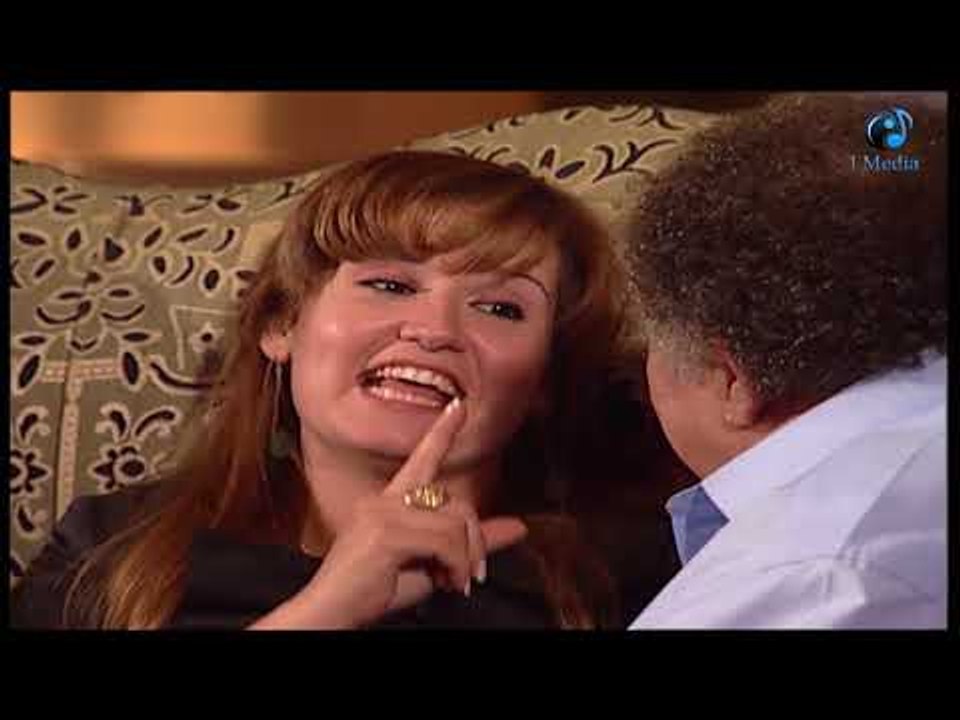
The series tried to emphasize on how much spoiling your kids would actually destroy their lives. The poor Hamada ‘Ezo’s life was amazing (in theory) while also realistically being the problematic. Yetraba Fi ‘Ezo also stressed on the “daddy issues” Hamada’s children had.
Via Daily Motion
3- Too extreme?
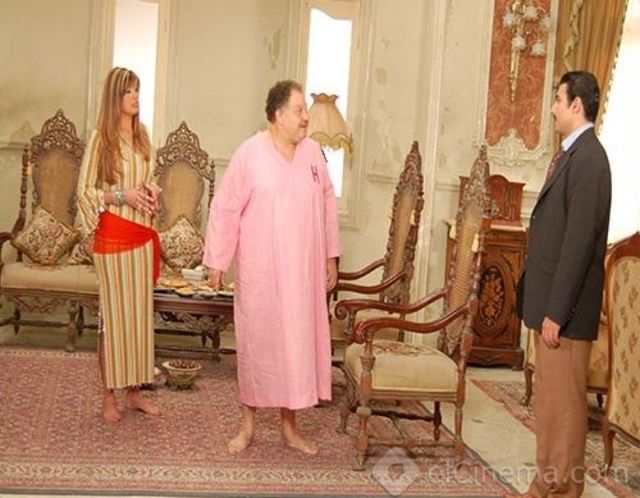
Everyone in this series had EXTREME issues. Either being brought up by very strict parents or very spoiling family. Why was there no middle ground? We didn’t like how they went to the two extremes when there too many families. It would have been nice if there were a normal one in this series!
Via ElCinema.com
4- Why was Mama Noona the only note-worthy female role?
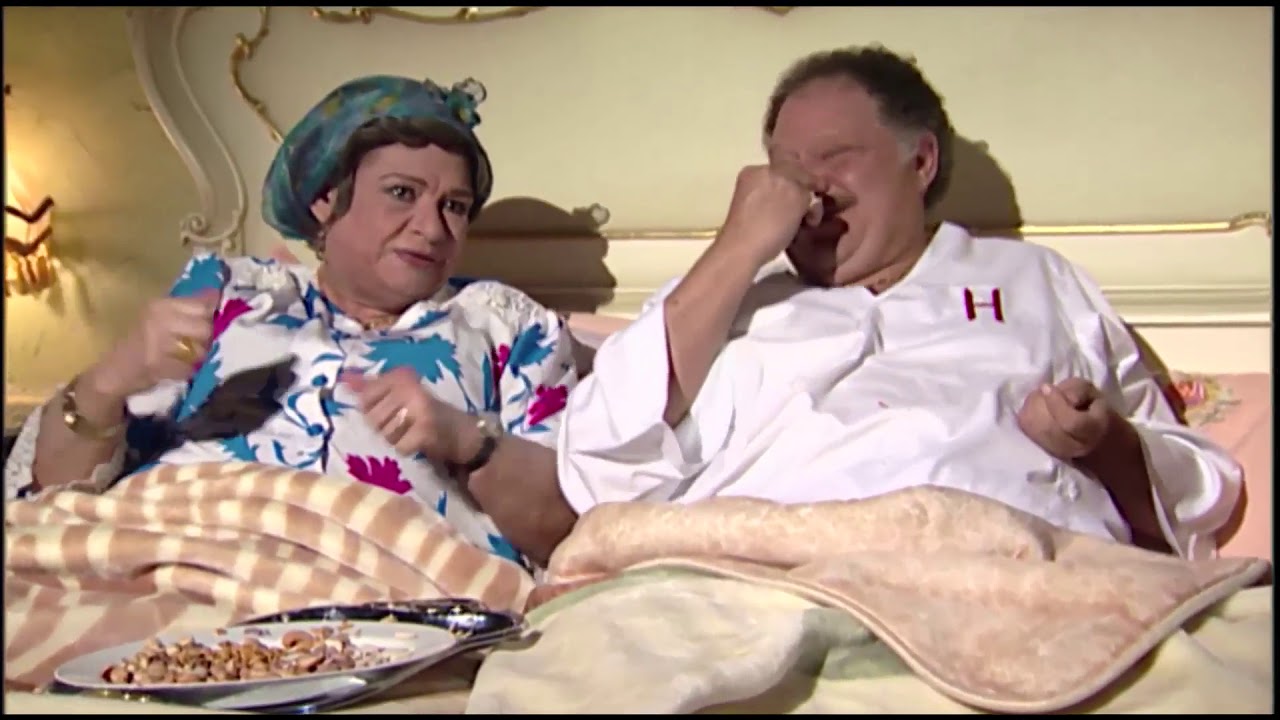
The great Karima Mokhtar gave us an A -class performance and we absolutely loved her for it! Yet there were many other female characters who were played by astonishing actresses that seemed somehow neglected and given poor scripts. Even their character developments were rushed or even not achieved.

Via Twitter
5- The scene that stood the test of time:
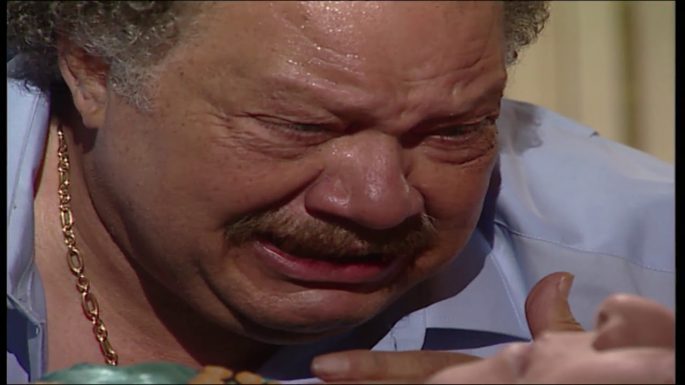
The episode in which Mama Noona died has made every one of us cry! It was even more emotional when Hamada ‘Ezo heard the news. Yehya El-Fakhrany perfectly portrayed how shock mixed with denial can look like.