via Vulture
Shows documenting the lives of Arab Muslims living in Western countries have been populating streaming services lately. And with season three of Ramy just recently released, we thought we’d offer insight on whether these shows, targeted towards both Western and non-Western audiences, provide the former with a better understanding of Muslim Arab culture or do the exact opposite.
Ramy (2019-2022) and Mo (2022)
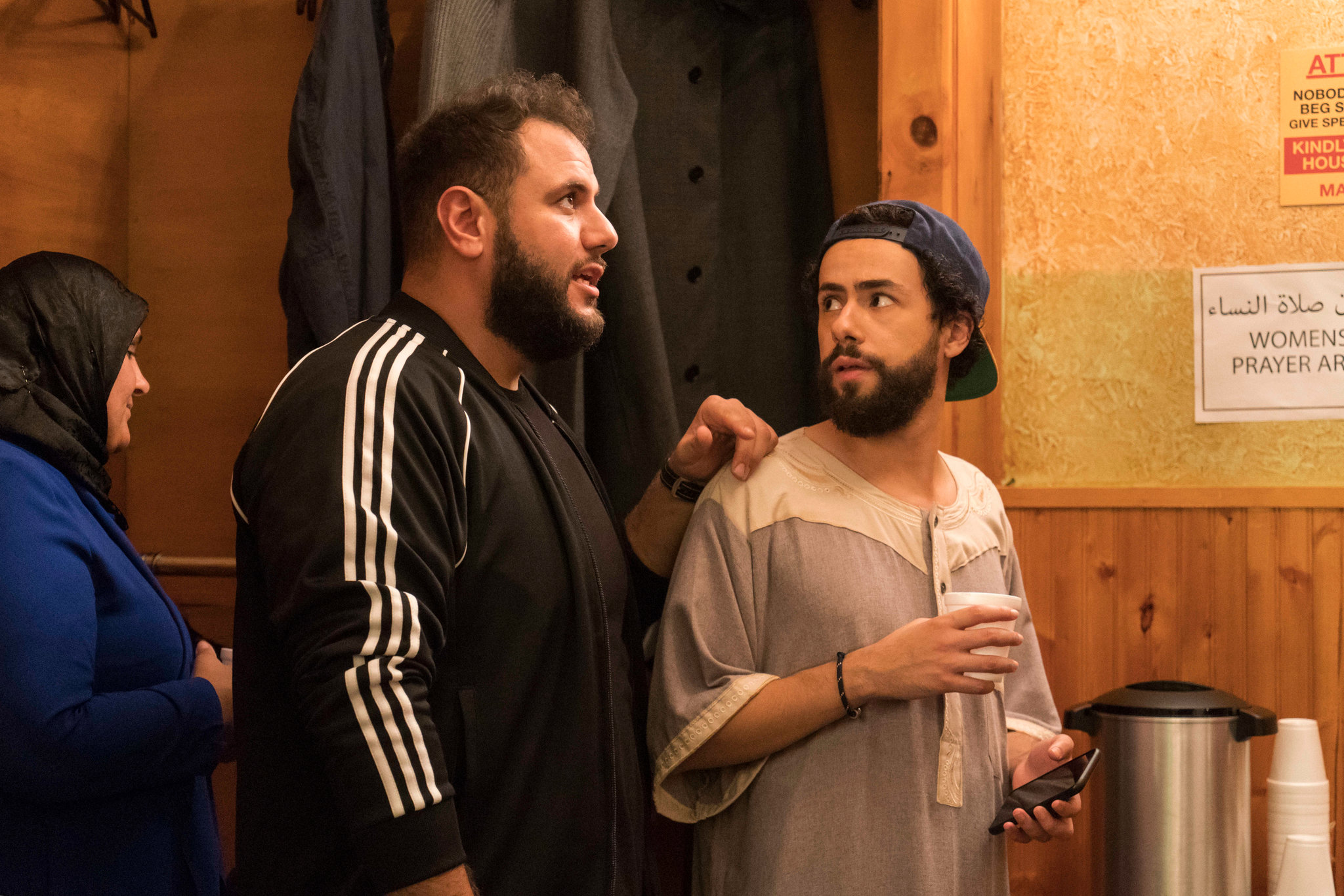
The Hulu TV series, Ramy, was first released in 2019 and narrates the life of the son of immigrant Muslims and his family. The show attempts to comedically depict Ramy’s struggle with finding the balance between sticking true to his Muslim faith, maintaining ties to his Arab heritage and community, and coming to terms with his current life and exposure to the culture of New Jersey. The creator of the show, Ramy Youssef, is himself Egyptian American and grew up in an Islamic household. He also co-created Netflix’s newest series, Mo, with Palestinian American comedian Mohammed Amer. Similar to Ramy, Mo satirically depicts the life of second-generation immigrant Mo, his hardship in adhering to his heritage and new present culture, and his family’s struggles to gain U.S. citizenship.
via Esquire Middle East
How Relatable Are Shows Like Ramy and Mo?
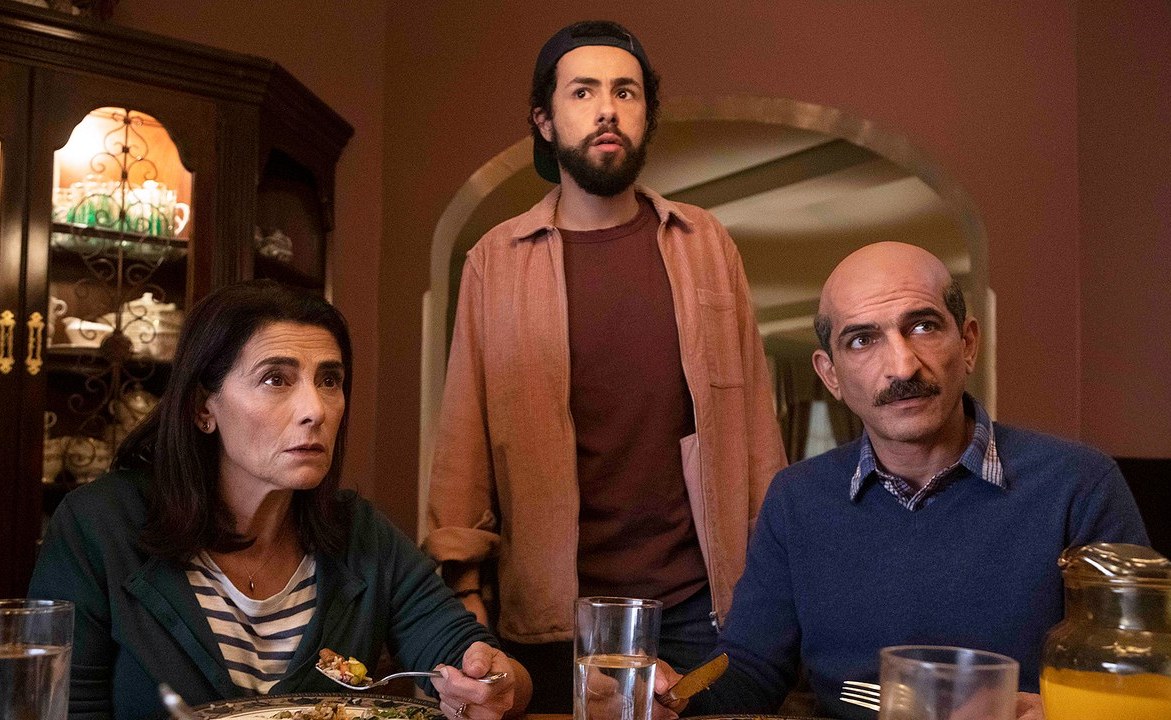
Ramy and Mo are probably more relatable to second-generation immigrants residing abroad. Scenes in Ramy of immigrant parents calling back home to make sure the Nady card is up to date on the off-chance they ever visit back home and decide to go to the Nady, strike close to home. We’re also sure immigrant parents will relate to the episodes dedicated to the hardships and pressures of responsibility Ramy’s dad encounters as he copes with the brave decision to move his family from Cairo to the United States in search of a better life and success. Or the episodes dedicated to Ramy’s mom displaying her uncertainty about what to do as her kids become more independent and individualistic and begin to find work.
via Scene Arabia
Yet the shows can still provide native Arab viewers with a sense of relatability and reflectivity of their culture. Ramy, specifically, might ring true more with Egyptian viewers as the show follows the life of an Egyptian family who migrated to the United States from Egypt and even stars Egyptian actors, such as Amr Waked. Moreover, with Cairo becoming more and more Westernised as the years pass, we’re sure viewers can relate to the struggle of adhering to old customs and norms in this new day of age, especially when considering faith.
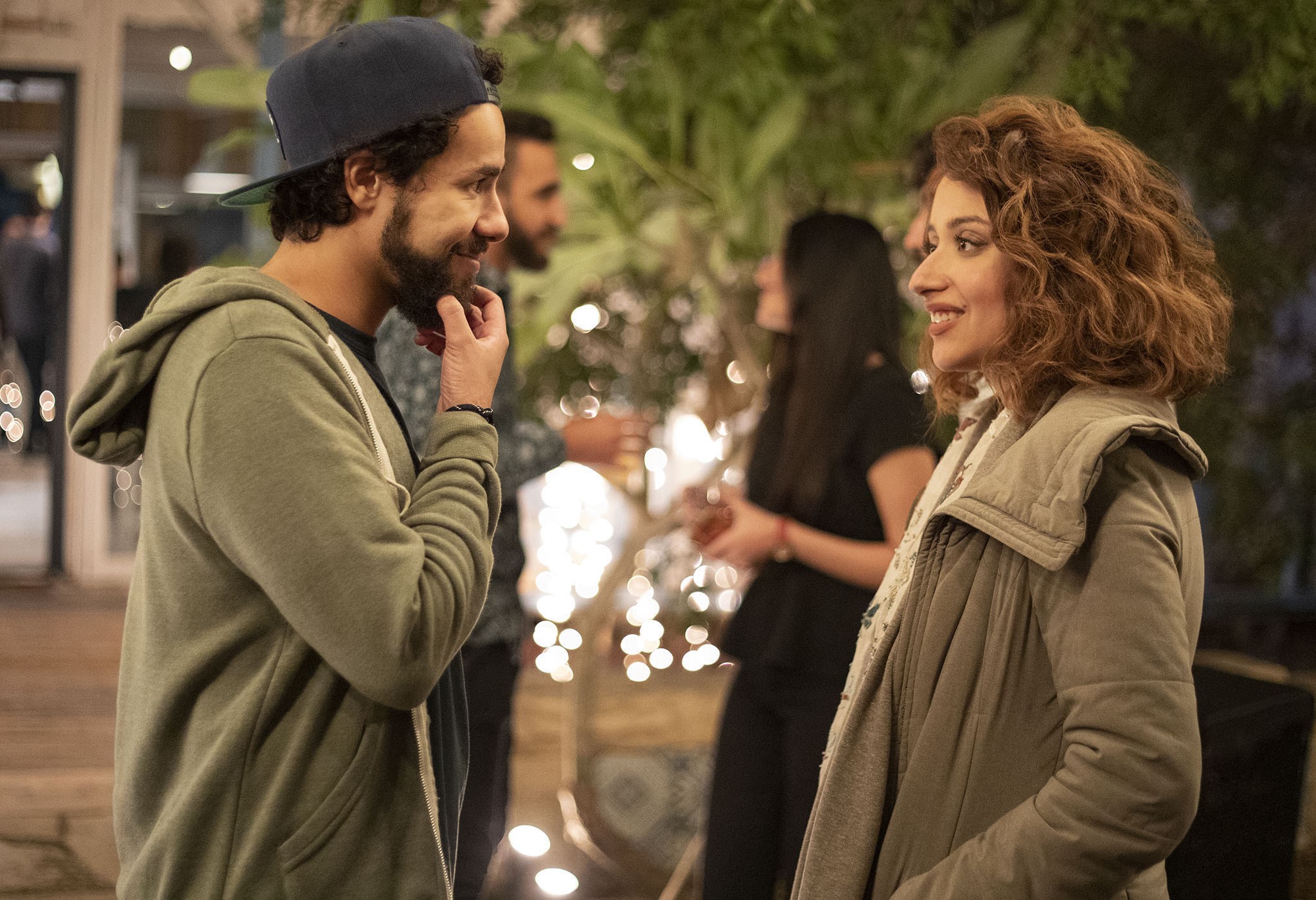
This said, what message do shows like Ramy and Mo provide Western non-Arab and non-Muslim viewers? With scenes showcasing the typical racialised stereotypes and slurs thrown at Arab Muslims, we’re glad these shows shed light on common misinterpretations of Islam and Arab culture. However, we must say, as more seasons of Ramy are released, there are more questionable scenes. With storylines covering Ramy’s obsession with sex, the romance between him and his cousin, and scenes displaying him aggressively performing Wudu in a river and shouting ‘Allahu Akbar’ during prayer after misplacing an expensive piece of jewellery, we’re not sure what message the show is trying to convey to Western viewers. While cousin-to-cousin marriages have been commonly practised across Egypt for decades, it is not so common for the more educated and Westernised residents of Cairo or second-generation immigrants who grew up in the States.
via IMDB
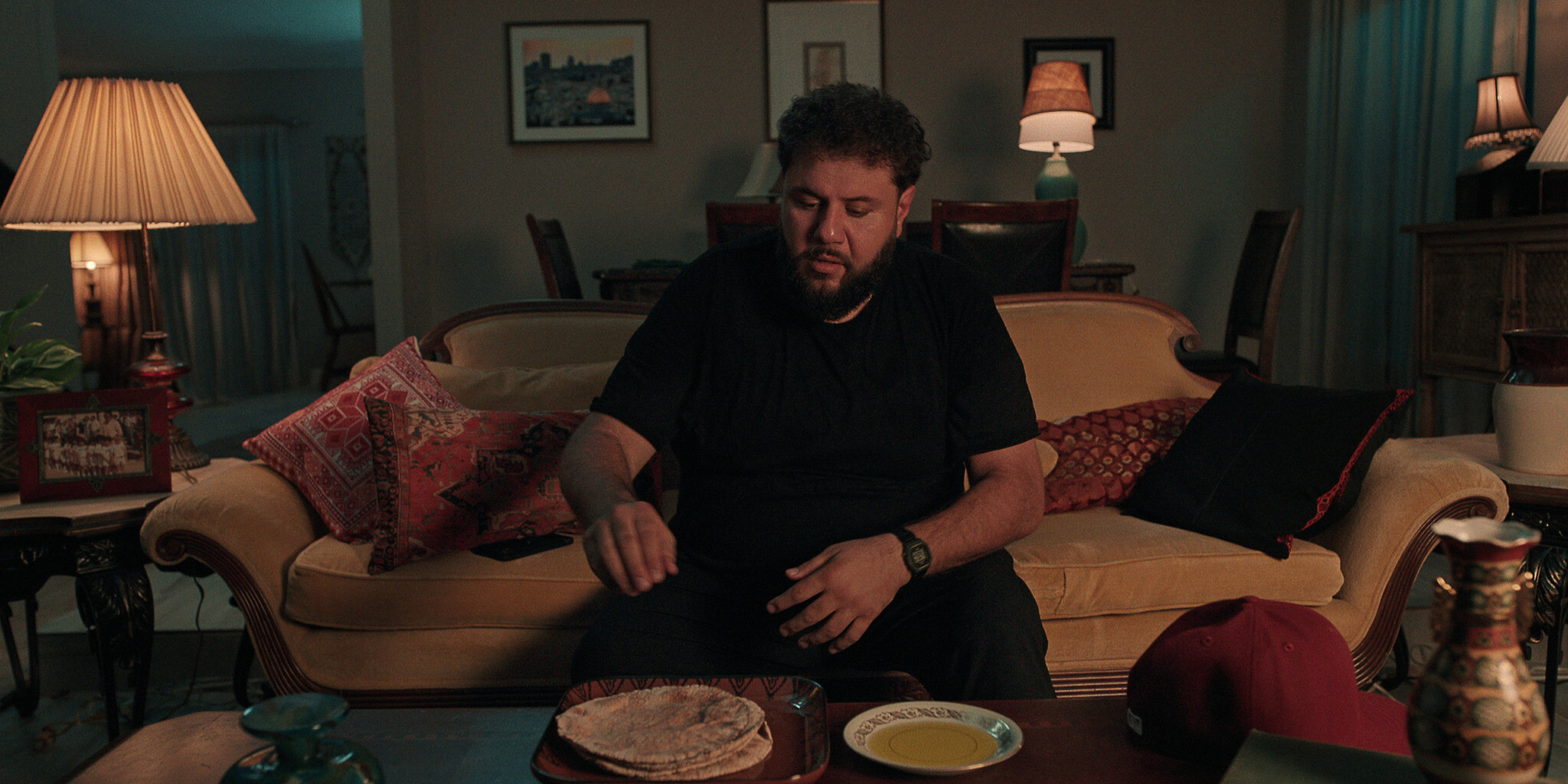
Similarly, we’re not sure how relatable Mo’s character is or how accurate of a representation of Palestinian Americans it is as Mo is seen carrying a bottle of olive oil with him everywhere he goes. The show seems to give in to certain stereotypes of these Muslim Arab cultures, but this makes sense considering it’s a satirical show, and, thus, it is bound to have some extremes for comedic relief.
via Eater Houston
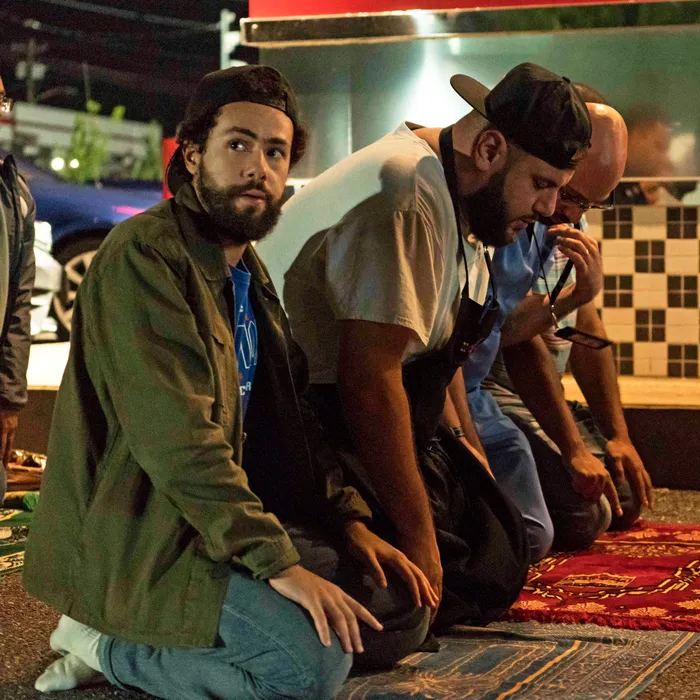
Nonetheless, we’re glad these shows have been released to provide Muslim Egyptian and Arab cultures with some form of representation on TV. With scenes explicitly showcasing Islamic prayer on TV, these shows set out as both a beginning and an example to the undersaturated genre on Western television.