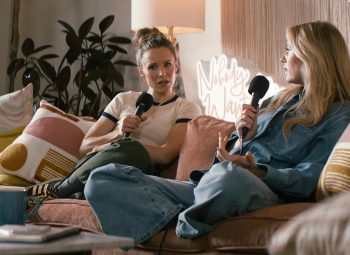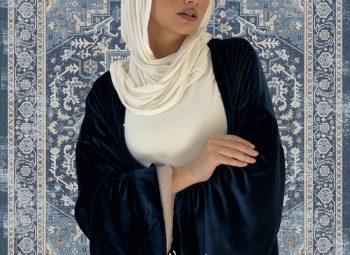
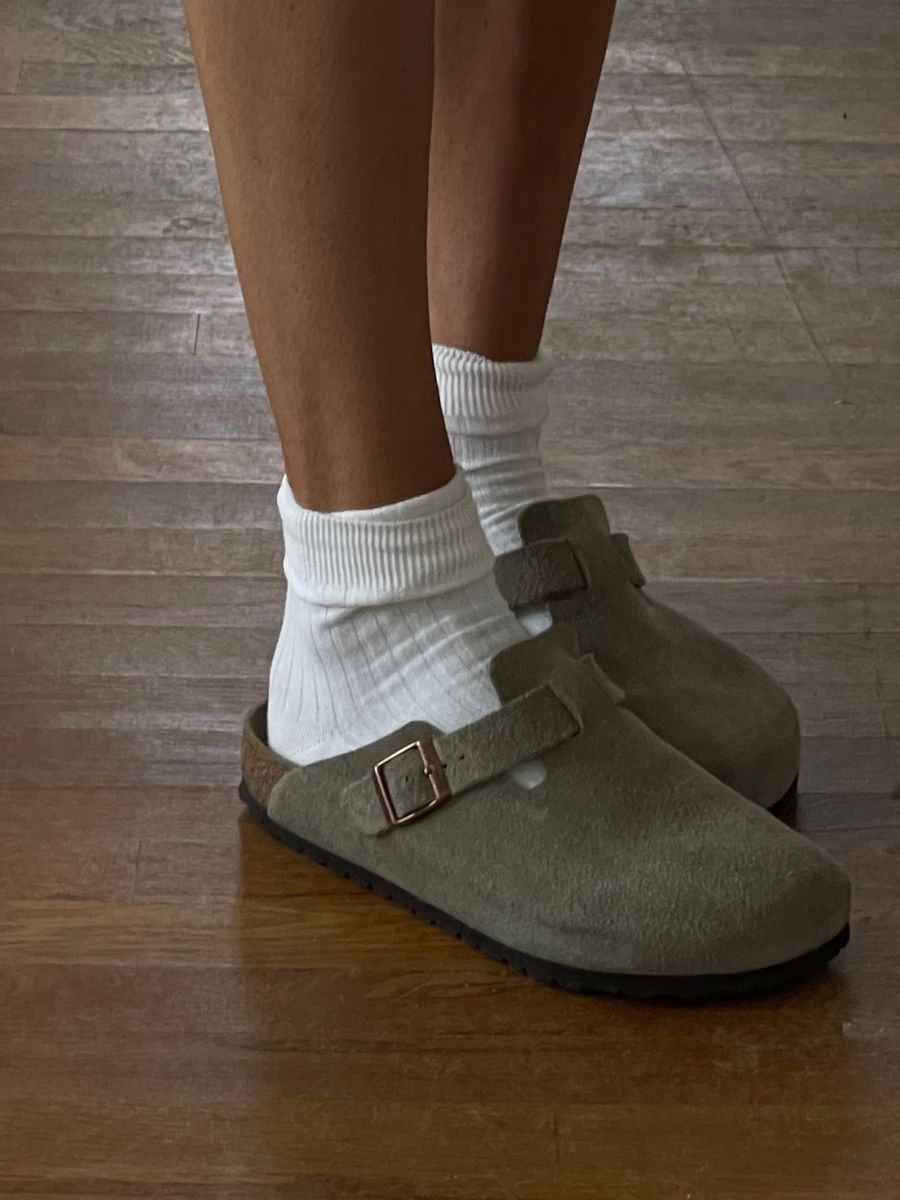
Dupes feel like a very online phenomenon, but the instinct behind them is ancient. Long before TikTok and Instagram told us what to buy, people were already finding ways to access the look and feel of luxury without paying luxury prices. Artisans once recreated jewellery, furniture, and decorative objects for broader audiences who wanted beauty without exclusivity.
These early dupes weren't about deception; they were about participation. Desire existed long before mass affordability did, and dupes became the bridge between the two.
The 19th Century: When Fashion Became a Signal
By the 19th century, dupes became more visible through fashion. Clothing and accessories that echoed elite styles allowed non-elite consumers to step into trends they were otherwise excluded from. Fashion became a social language, and dupes allowed more people to speak it. It was never about passing as wealthy. It was about looking current, respectable, and in the know. Dupes offered access to style without access to power, and that distinction mattered.
From Imitation to Internet Culture

For decades, dupes lived in a quiet space. You knew where to find them, but you didn't brag about it. That began to change as digital culture reshaped how people shared consumption. As online forums, blogs, and early social platforms grew, imitation slowly moved into public conversation. Dupes stopped being a personal workaround and became something people compared, ranked, and openly discussed.
The 2010s to Now: The Dupe Explosion
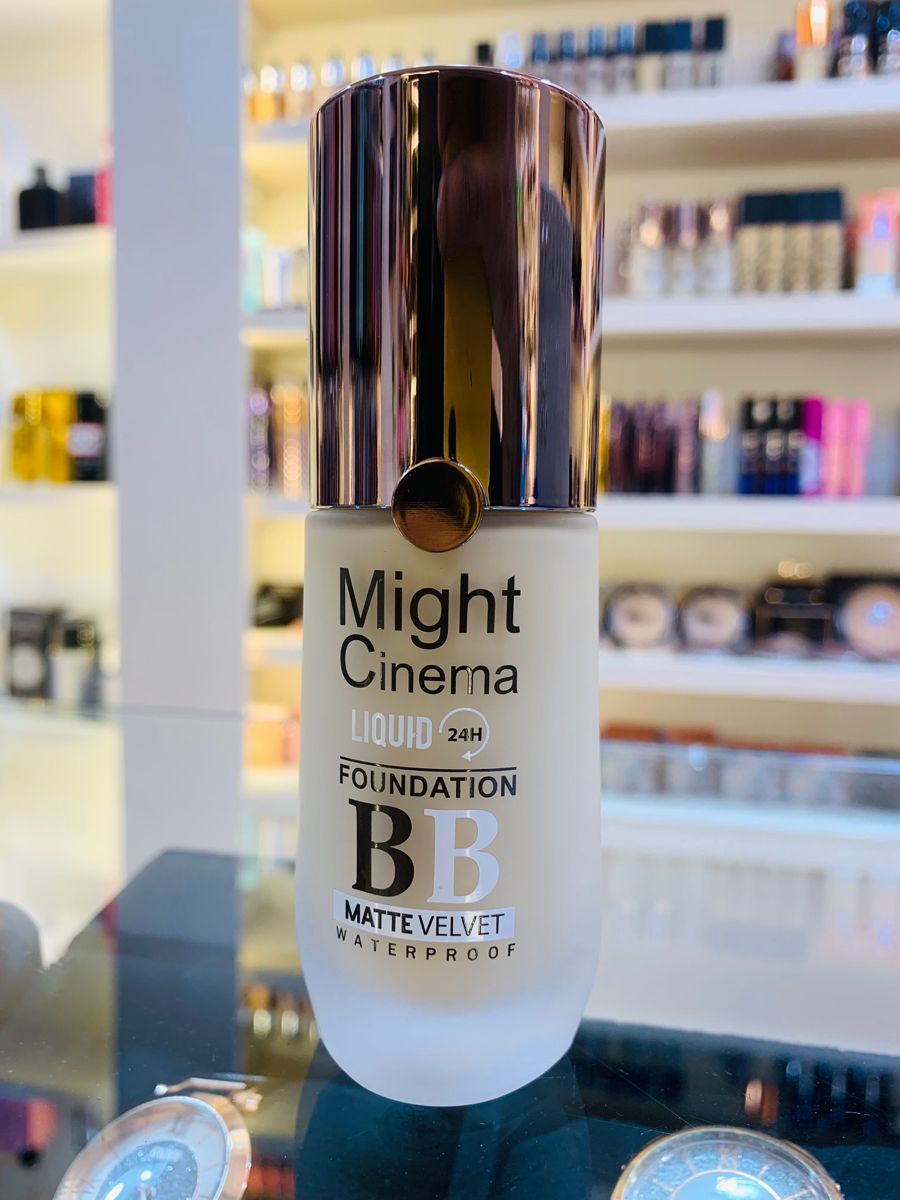
The fundamental shift happened in the 2010s. Social media didn't just amplify dupes, it rebranded them. YouTube reviews, Instagram carousels, and especially TikTok turned dupe-hunting into its own content category.
Finding an affordable alternative became entertainment, not a compromise. Instead of hiding the fact that you didn't buy the original, you were applauded for being smart enough not to. The algorithm rewarded discovery, speed, and relatability, pushing dupes straight into the mainstream.
Why Everyone Started Looking for Dupes
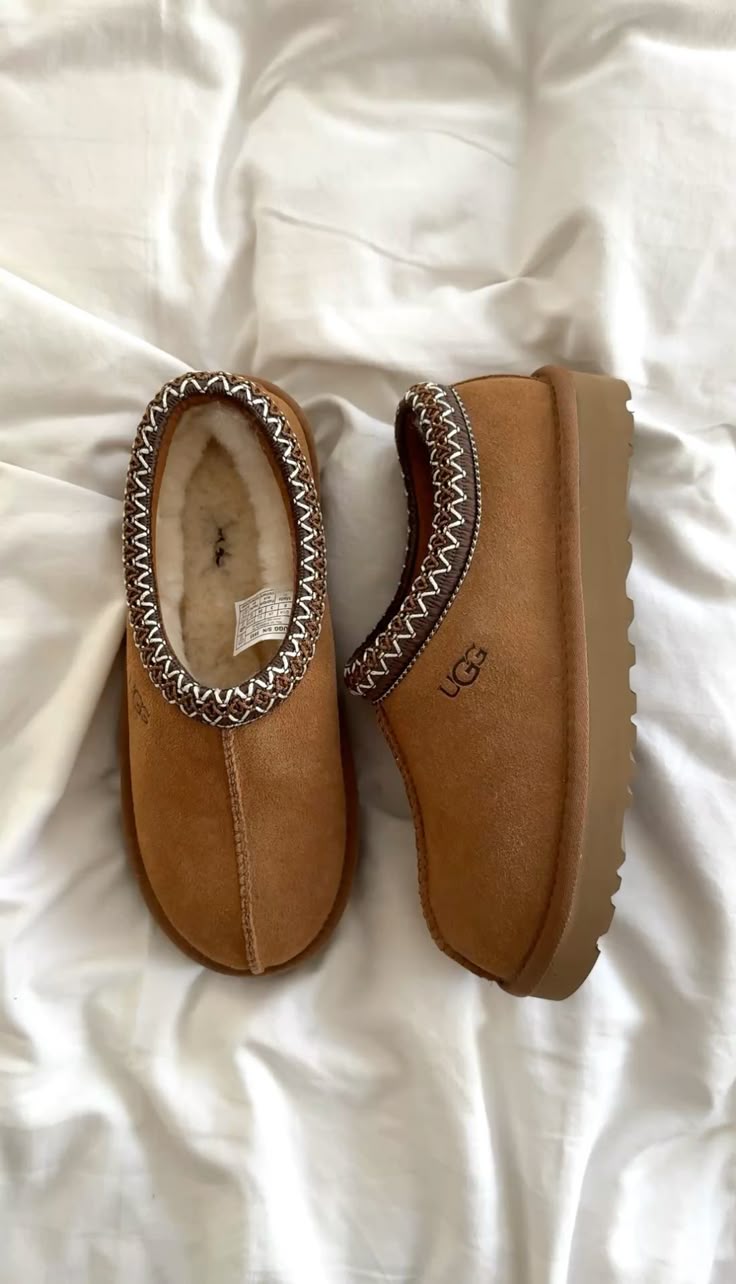
Economic pressure pushed the trend into overdrive. Rising living costs made consumers rethink what was worth paying for, including those who could technically afford the original. At the same time, Gen Z and Millennials showed less emotional attachment to brand heritage and more interest in how something looks, functions, and fits into their life. If two products photograph the same and perform similarly, the logo starts to feel optional rather than essential.
The Legal Grey Zone
Modern dupes also evolved strategically. The conversation shifted away from illegal counterfeits with logos toward designs that are clearly inspired but legally defensible. This grey area allowed dupes to exist openly instead of underground. They were no longer whispered-about alternatives sold quietly. They became products marketed confidently, often positioned as smarter, more practical choices rather than cheap substitutes.
How Brands Reacted
Brands didn't respond in one unified way. Some embraced the shift, launching affordable lines or working with retailers that already catered to dupe culture. Others fought back, framing dupes as a threat to creativity, craftsmanship, and intellectual property. The split revealed something uncomfortable. When consumers willingly choose the alternative, it forces brands to confront what they're actually selling. Is it quality, innovation, and story, or is it recognition?
Are Dupes Smart or Are They Stealing?
This is where the debate gets messy. Supporters see dupes as democratisation. Style without exclusion. Access without apology. Critics argue they reward copying and slowly erode originality. Both arguments hold weight.
Which brings us to the bigger question: if the look can be replicated, the experience feels close enough, and the consumer is satisfied, how much does the brand really matter anymore? Are dupes proof that consumers are evolving, or proof that branding has been doing more work than the product itself all along?