
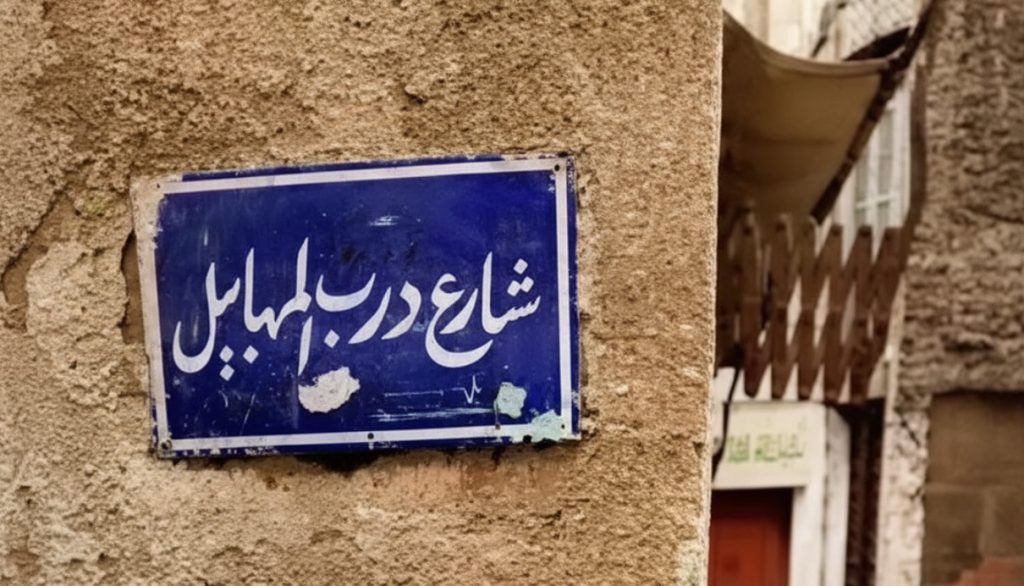
Have you ever passed by a street name in Cairo and wondered who on earth came up with it? Walking through Cairo, you might come across the name of a street or neighbourhood that makes you laugh or wonder how it got its name. But the truth is that behind every unusual name lies a story. From old markets and local traditions to historical events that shaped entire districts, these names are far from random. In the following article, we explore the stories behind some of Cairo's strangest place names and discover why they actually make perfect sense.
El-Magharbleen
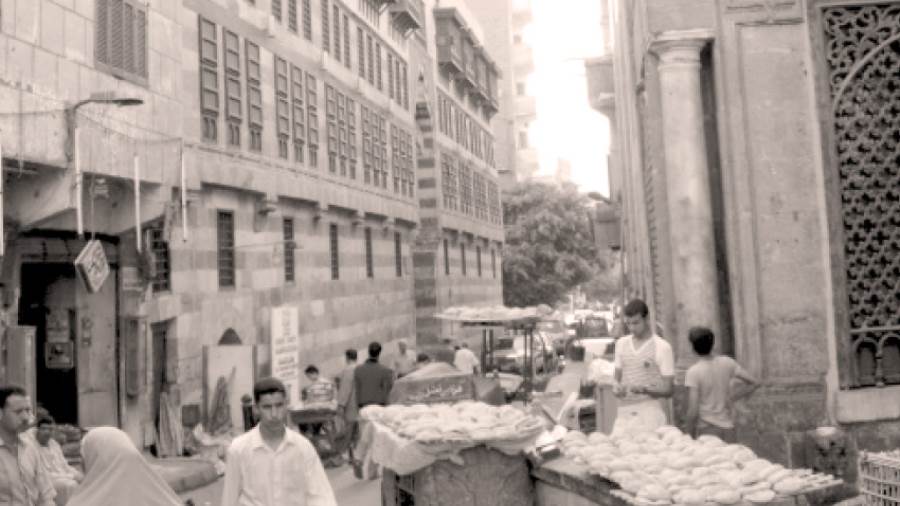
Image via website
What does a sieve have to do with an entire neighbourhood? In the heart of Cairo, this area was historically known for spice and herb shops. The name comes from the Arabic word "ghirbal" (sieve), the tool merchants used to clean and filter spices. Over time, the sight of workers using sieves became strongly associated with the area, until "El-Magharbleen" became its permanent identity. Today, the neighbourhood is filled with clothing stores and various businesses, but the old name still survives.
Birket El-Feel (The Elephant Pond)
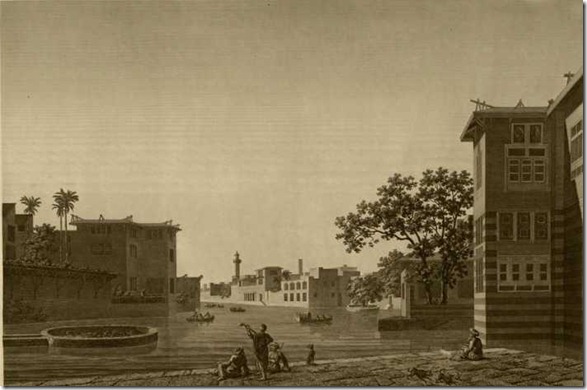
Image via website
Believe it or not, Cairo once had a place famous for an elephant. Located in the Sayeda Zeinab district, this name dates back to the Tulunid era. Prince Khumarawayh ibn Ahmad ibn Tulun was famous for keeping exotic animals, including elephants. There was once a large pond in the area, and near it stood a designated place for the elephant, where people gathered to watch it. Even though the pond disappeared long ago, the name "Birket El-Feel" remained alive through the centuries.
El-Darb El-Ahmar (The Red Alley)
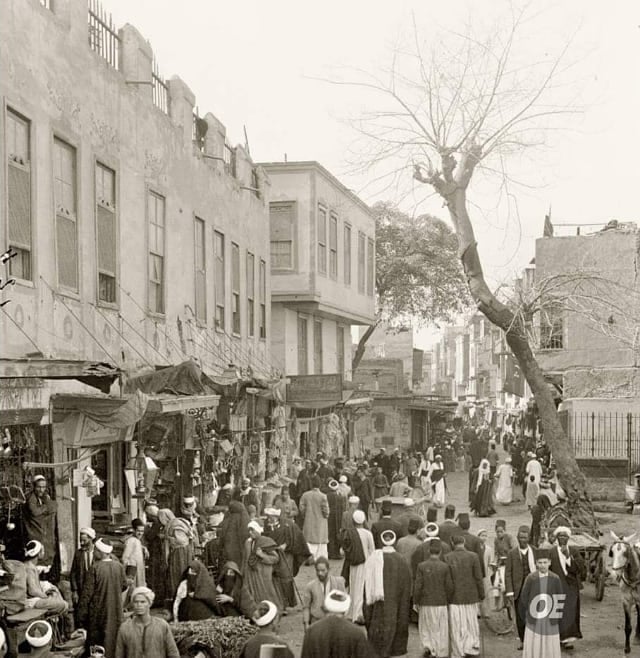
Image via website
Not every place name comes with a cheerful backstory. This name is linked to a dramatic historical event. Following the famous Citadel Massacre, the area was heavily affected, and it was said that the ground turned red from the bloodshed. Since then, the district's name has stood as a reminder of one of Cairo's most violent historical moments.
Tal El-Aqarib (Scorpions Hill)
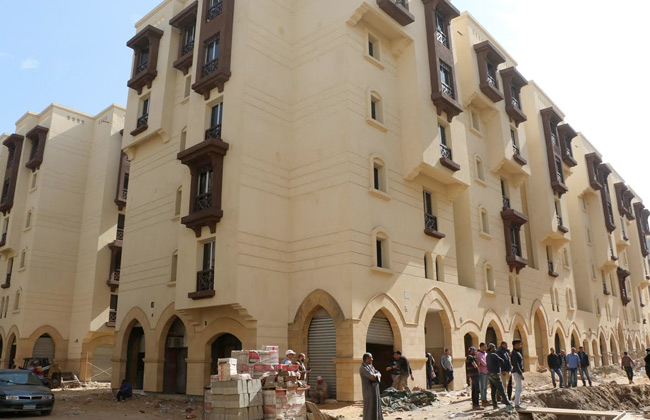
Image via website
If this name sounds intimidating, that's because it once was. Also located in Sayeda Zeinab, the name may sound frightening, but it was once a literal description of the area. The neighbourhood used to be elevated land filled with scorpions and snakes, so residents naturally gave it this name. Today, the area has changed significantly and has been redeveloped under the official name "Rawdat El-Sayeda", though the old name remains deeply embedded in Cairo's collective memory.
Darb El-Mahabeel
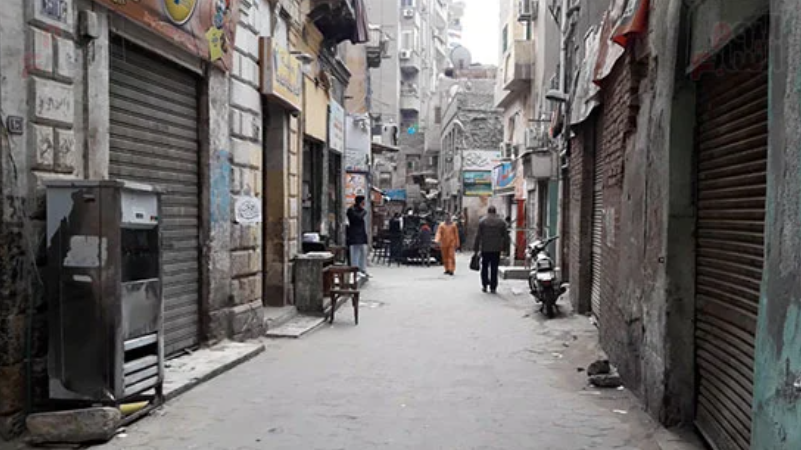
Image via website
This may be one of the most mysterious names on Cairo's map. One of Cairo's strangest place names, "Darb El-Mahabeel" has several different origin stories. Some say that soldiers used to perform unusual movements during parades in the area, leading people to describe them as "mahabeel" (crazy or odd people). Another story links the name to zar ceremonies once held there, where the dancing and rituals appeared bizarre to onlookers. A third theory connects the name to the widespread drinking of traditional boza, which allegedly caused people to walk unsteadily. Whatever the true explanation may be, the name survived along with the stories behind it.
The next time a Cairo street name makes you stop and think, there is probably a story behind it. Street names in Cairo are not just signs on walls. They are living stories woven into the city's identity. Every name can open the door to a forgotten tale, an old tradition, or a historical memory hidden within Cairo's streets.