
Image via website
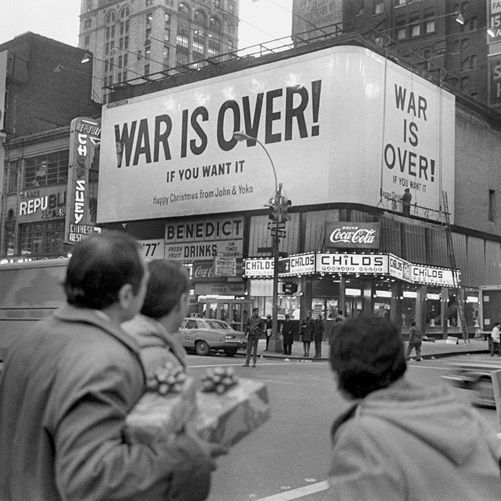
In a noisy and turbulent world, we sometimes turn to cinema not to escape reality, but to understand it better. At a time when wars and conflicts continue to shape life across the globe, world cinema reminds us that storytelling can reveal the human cost behind every battle. Over the decades, filmmakers have created powerful works that expose the pain, loss, and moral dilemmas of war. Many of these films place human compassion at the centre, reminding us that in war, everyone ultimately loses.
Below are several international films set during times of conflict that ultimately deliver a clear message: peace, empathy, and humanity are the real victories.
La Grande Illusion (1937)
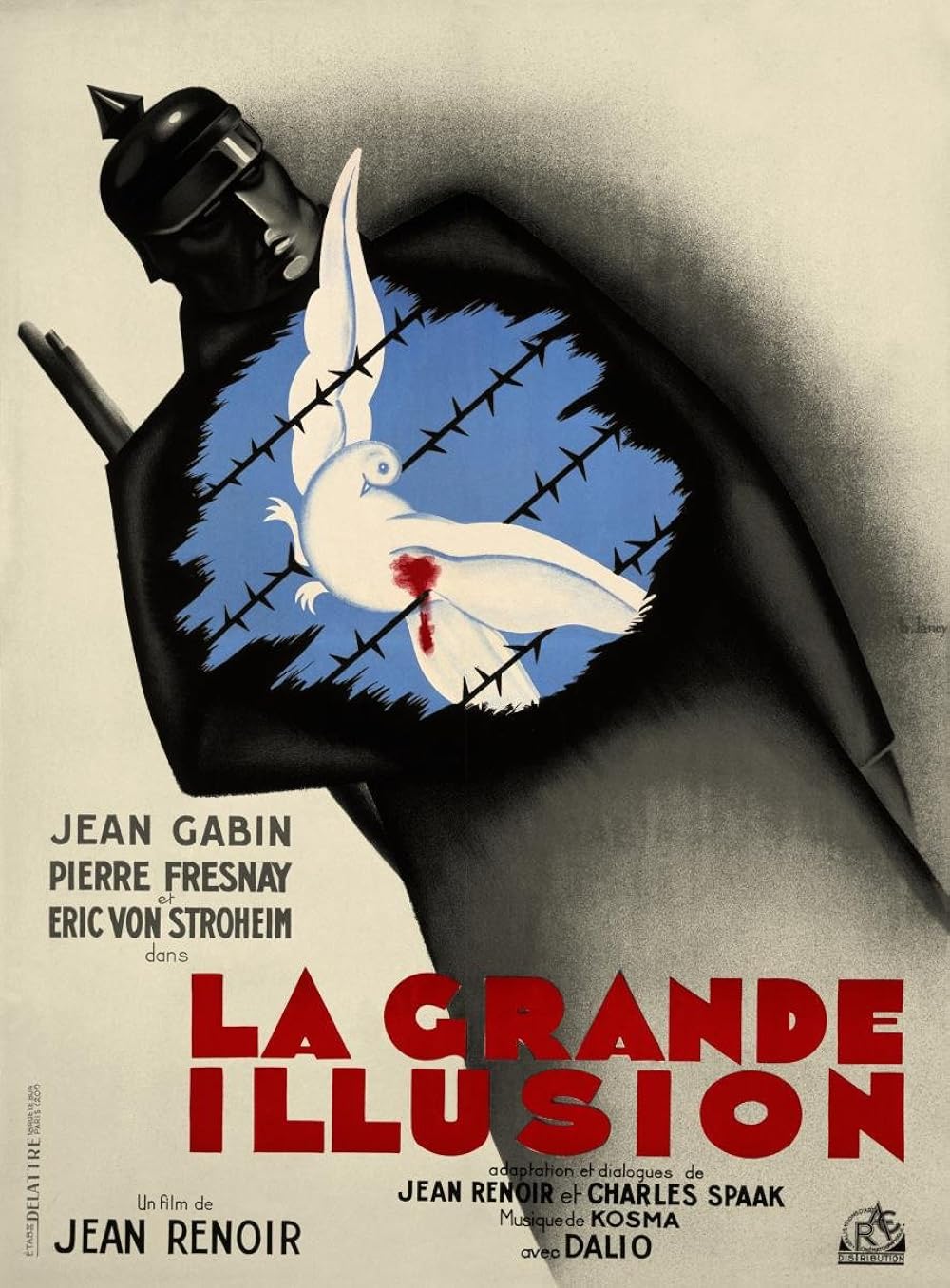
Image via website
La Grande Illusion, directed by Jean Renoir, is widely considered one of the greatest anti-war films ever made. Set during World War I, the story focuses not on battlefield action but on the relationships among prisoners of war from different nations held in the same German camp.
Through conversations, friendships, and escape attempts, Renoir explores themes of class, nationality, and shared humanity. The film suggests that the divisions that cause wars, national borders, political ideologies, and class systems are ultimately artificial when compared to the universal bonds between people. Its quiet, reflective tone transforms the story into a powerful statement about the futility of war and the enduring possibility of solidarity even between enemies.
Hacksaw Ridge (2016)
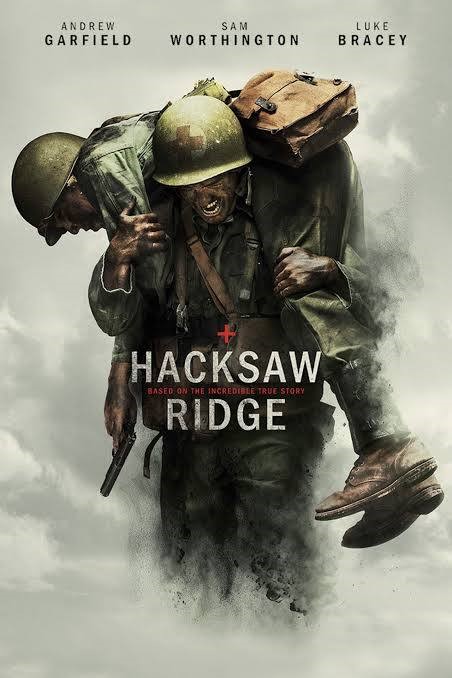
Image via website
Hacksaw Ridge, directed by Mel Gibson, tells the remarkable true story of Desmond Doss, an American soldier during World War II who refused to carry or use a weapon because of his religious beliefs. Instead, he served as a combat medic during the brutal Battle of Okinawa.
Despite ridicule and scepticism from fellow soldiers, Doss repeatedly entered the battlefield under heavy fire to rescue wounded men. While the film portrays the violence of war in graphic detail, its emotional core lies in a moral victory: a man who chose compassion over killing. Doss’s story reminds us that heroism in wartime does not always come from defeating the enemy, but from protecting life.
Saladin the Victorious (1963)
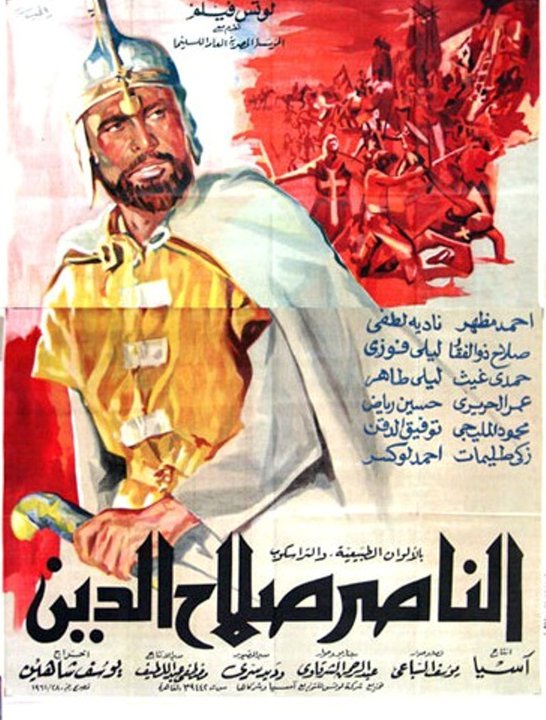
Image via website
Saladin the Victorious, directed by legendary Egyptian filmmaker Youssef Chahine, is one of the most ambitious productions in Arab cinema. The film portrays the historical figure Saladin during the Crusades, presenting him as a noble and just leader who values unity, tolerance, and mercy.
While the movie includes grand battle sequences and is an epic spectacle, its central theme emphasises humanity over conquest. Saladin is depicted not merely as a military hero but as a ruler who believes true strength lies in justice and forgiveness, even toward defeated enemies. Although the film takes liberties with historical accuracy, its message about coexistence and moral leadership has made it a lasting cultural classic.
All Quiet on the Western Front (2022)
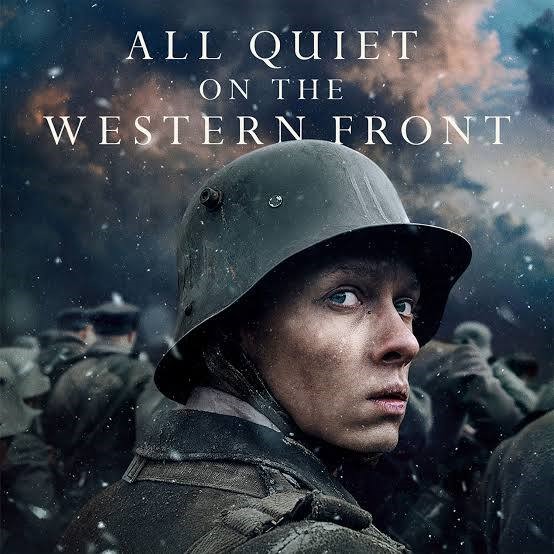
Image via website
All Quiet on the Western Front, adapted from Erich Maria Remarque’s novel, follows a young German soldier, Paul Bäumer, during World War I.
Driven by patriotic enthusiasm and youthful idealism, Paul and his friends enlist, believing they will become heroes. Instead, they are confronted with the brutal reality of trench warfare: mud, fear, death, and psychological trauma. The film strips away any romantic notion of war, revealing how soldiers are reduced to survivors struggling through chaos and despair.
Grave of the Fireflies (1988)
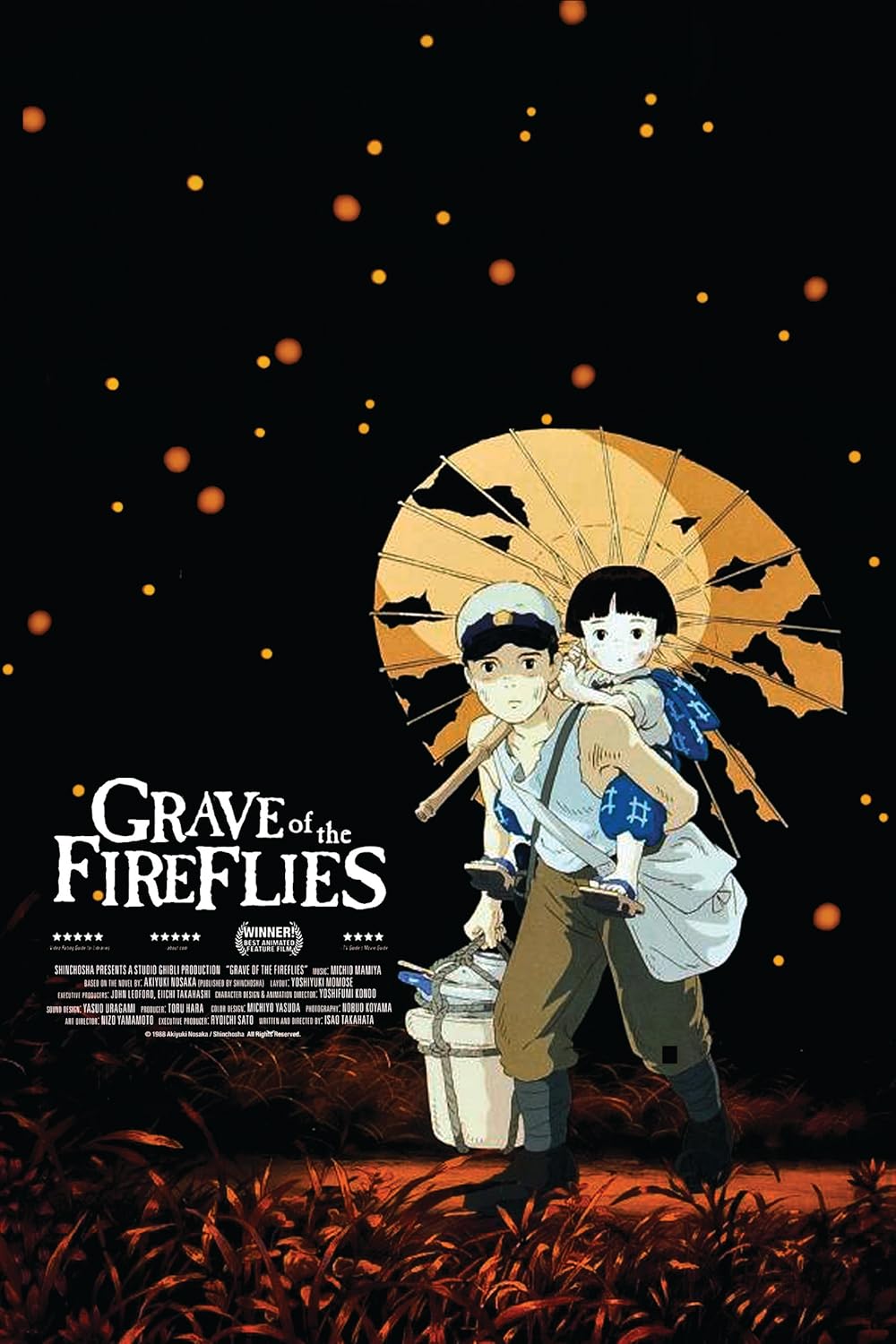
Image via website
Grave of the Fireflies, directed by Isao Takahata, is one of the most heartbreaking anti-war films ever made. Set in Japan during the final months of World War II, the story follows two siblings, Seita and his younger sister Setsuko, as they try to survive after losing their home in the bombing of Kobe.
Unlike many war films, the narrative focuses entirely on civilian suffering, particularly the vulnerability of children caught in conflicts they cannot understand. Its quiet moments of innocence and fleeting happiness make its tragedy even more devastating.
Paths of Glory (1957)
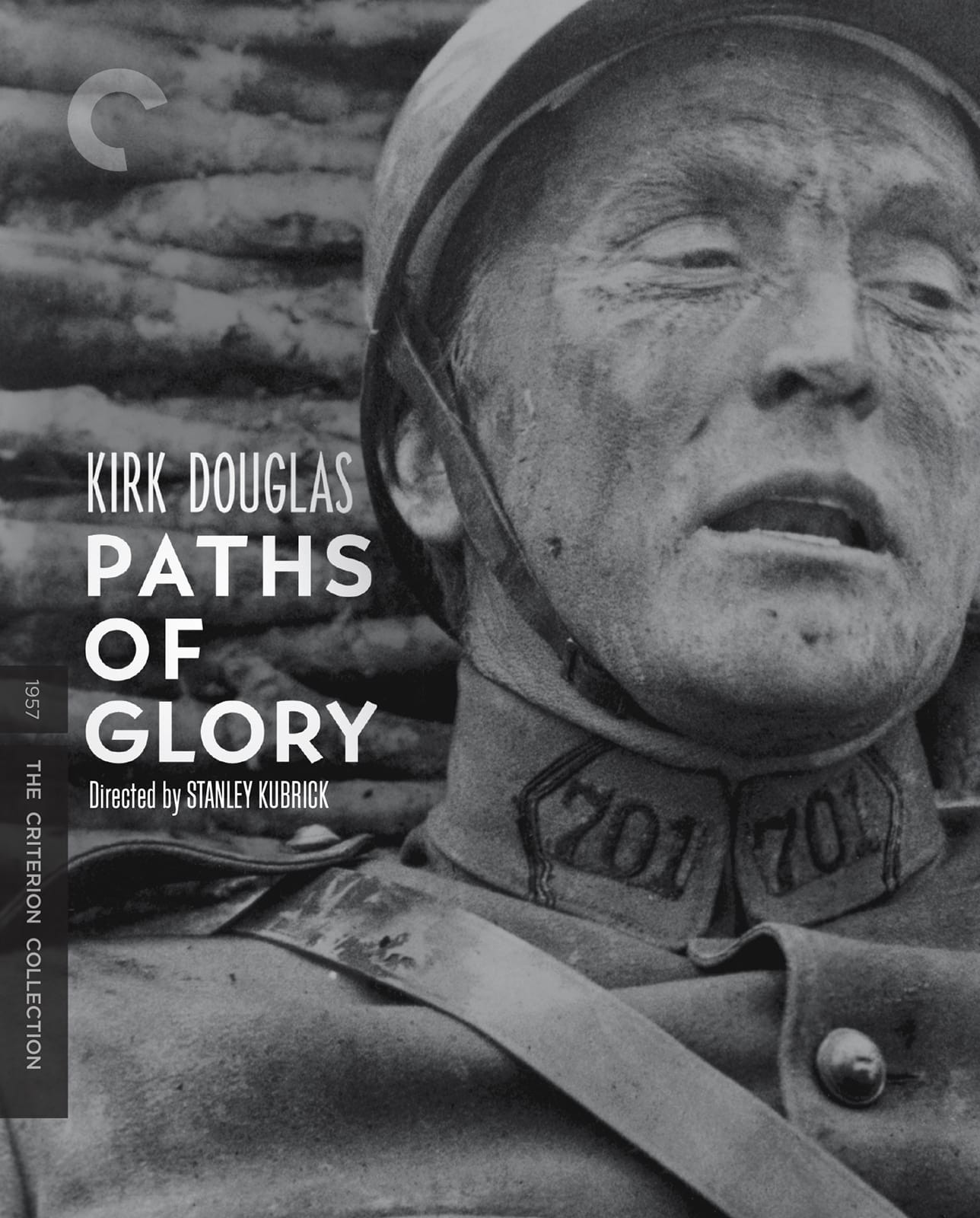
Image via website
Paths of Glory, directed by Stanley Kubrick, is a powerful critique of military leadership and the absurdity of war. Set during World War I, the film follows French soldiers ordered to launch a suicidal attack against heavily defended German positions.
When the mission fails, the army’s high command decides to court-martial innocent soldiers for cowardice in order to protect their own reputations. Through intense courtroom drama and haunting battlefield scenes, Kubrick exposes the cruelty of hierarchical power structures and the moral contradictions within wartime command.
Come and See (1985)
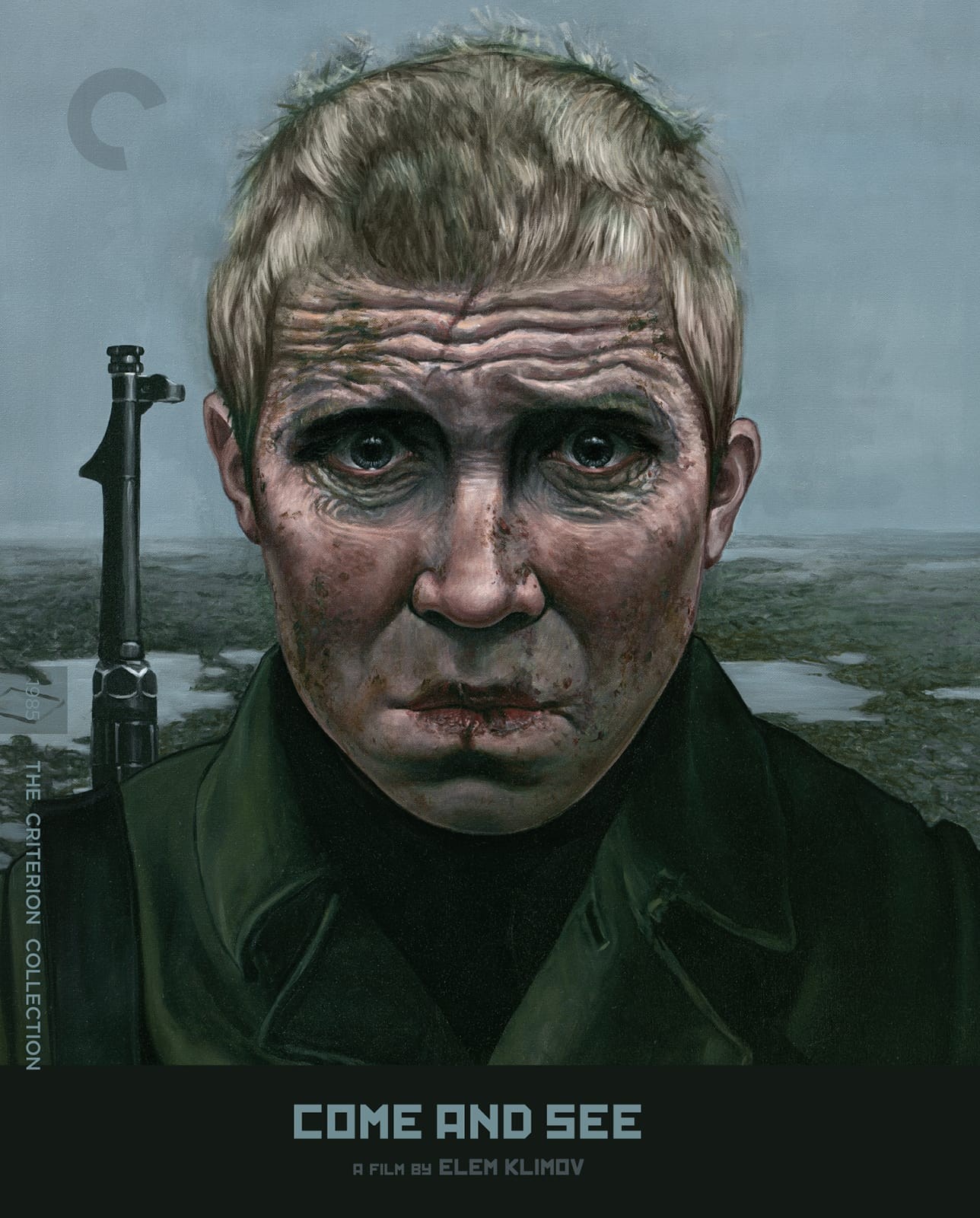
Image via website
Come and See, directed by Elem Klimov, is widely regarded as one of the most disturbing and realistic portrayals of war ever filmed. Set during the Nazi occupation of Belarus in World War II, the story follows a young boy who joins Soviet resistance fighters and gradually witnesses unimaginable atrocities committed against civilians.
The film’s surreal imagery and relentless emotional intensity immerse viewers in the psychological destruction caused by war, turning the viewing experience into a powerful confrontation with the true horrors of violence.
The Thin Red Line (1998)
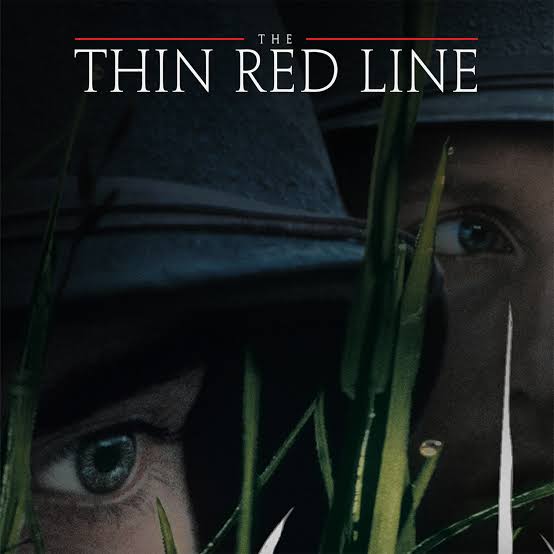
Image via website
The Thin Red Line, directed by Terrence Malick, offers a philosophical reflection on war during the Battle of Guadalcanal in World War II.
Rather than focusing solely on action, the film explores the inner thoughts of soldiers as they grapple with fear, morality, and the fragile beauty of life. Malick contrasts serene natural landscapes with the brutality of combat, emphasising how war disrupts the harmony between humanity and nature.
Life Is Beautiful (1997)

Image via website
Life Is Beautiful, directed by and starring Roberto Benigni, blends tragedy with tenderness in its portrayal of a Jewish father and son imprisoned in a Nazi concentration camp during World War II.
To protect his child from the terrifying reality around them, the father pretends their situation is part of a game in which they must follow certain rules to win a prize. Through humour, imagination, and love, the film illustrates the resilience of the human spirit even in the darkest circumstances.
Letters from Iwo Jima (2006)
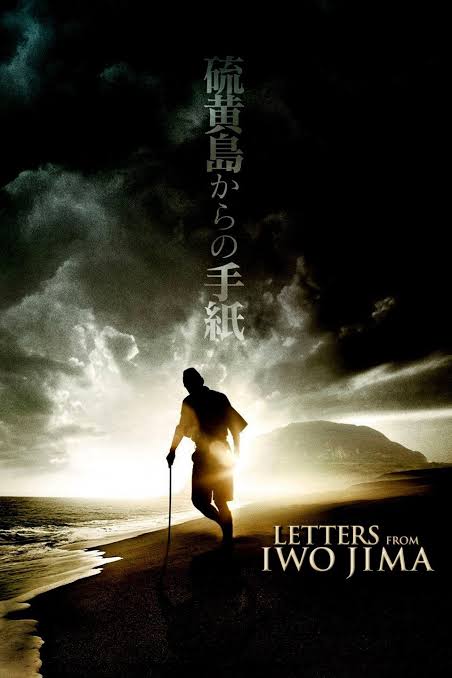
Image via website
Letters from Iwo Jima, directed by Clint Eastwood, presents World War II from the perspective of Japanese soldiers defending the island during the Battle of Iwo Jima.
By humanising soldiers on the opposing side of the conflict, the film challenges the simplistic “enemy” narrative often seen in war movies. Through personal letters, memories, and reflections, it reveals the fears, families, and dreams of men who were ultimately trapped by duty and circumstance.
These films do not avoid the reality of war. They confront it head-on. Yet instead of glorifying violence, they focus on the people caught within it, soldiers, civilians, children, and families. Through stories of courage, compassion, and loss, they remind us that the true triumph is not winning battles, but preserving humanity and choosing peace whenever possible.