
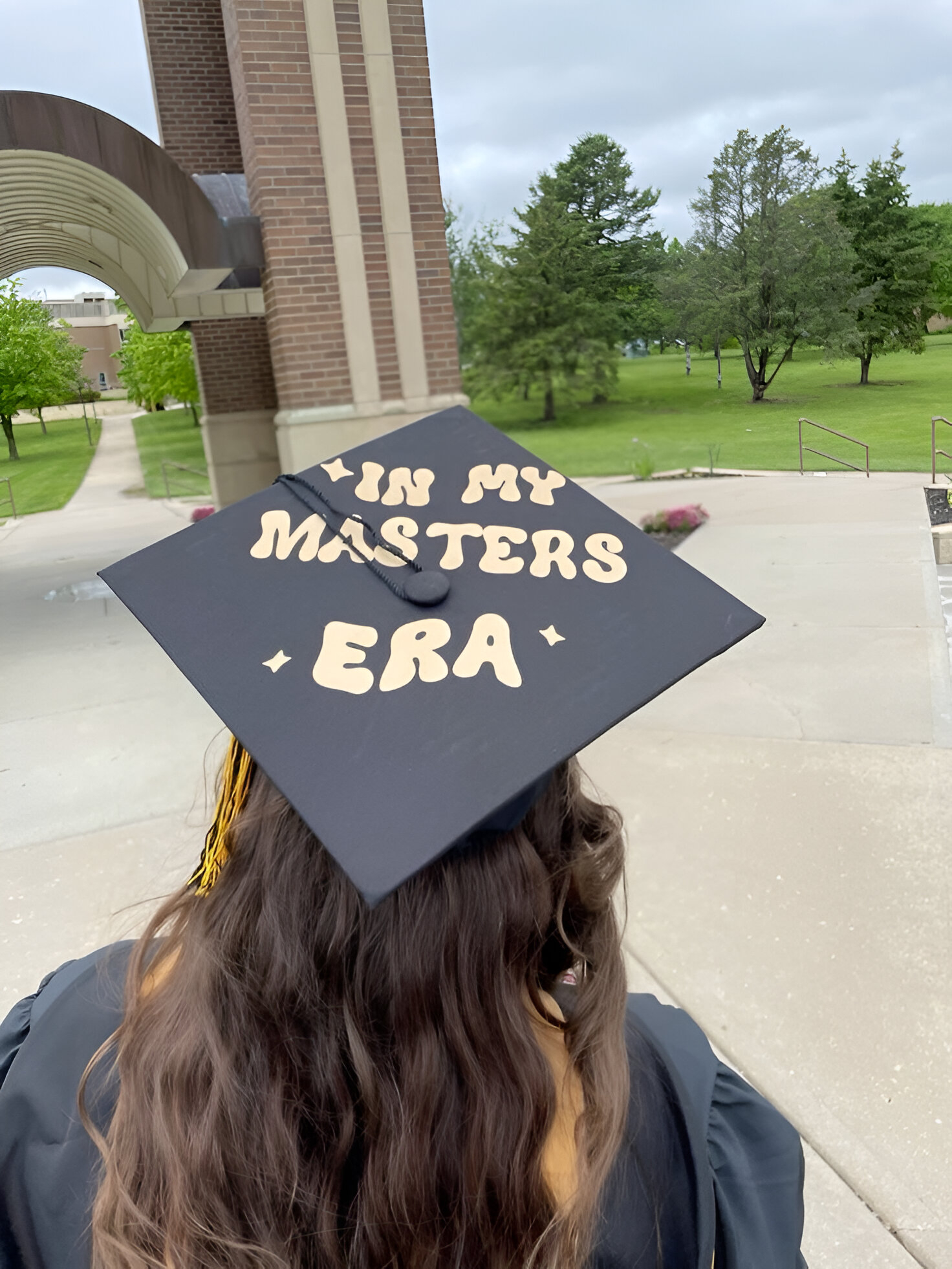
As autumn is here, there is a certain nostalgia in the air. The smell of library books, campus coffee corners, late-night study sessions, and the thrill of deadlines make life feel alive. However, nostalgia alone should not drive a decision as serious as pursuing a master’s degree.
A master’s degree is not just a certificate; it can feel like a way to postpone the responsibilities of adulthood, or it can be a deliberate, strategic leap forward in your career. So, should you go for your master’s before turning 25? The answer is not a one-size-fits-all, but it is worth exploring from every angle.
Interest vs. Experience: Which Lens Are You Using?

When it comes to master’s degree programmes, whether it is business, science, arts, or a niche field, you are entering a space where curiosity meets career ambition. However, diving straight from undergrad into a higher degree without real-world experience is risky. Many fresh graduates lock themselves into highly specialised fields without understanding how it applies in practice.
On the other hand, people who spend a year or two working, understanding the industry, and figuring out what excites them can approach a master’s with clarity and purpose. Think of a master’s not as a second bachelor’s but as an upgrade. You want real ROI, not just a piece of paper. Theory without context is beautiful, but it rarely translates into impact.
The Three Types of ROI: Knowledge, Skills, and Career Goals

Before you commit, get crystal clear on your motives. Are you pursuing a master’s degree to close a skill gap, earn a promotion, or expand your knowledge under guided mentorship? Each goal offers a different kind of ROI, beyond the obvious that a master’s also builds networks, introduces you to mentors, and exposes you to peers who can shape your future.
If your aim is career acceleration, this is a powerful tool. Whether intellectual curiosity or passion-driven exploration, patience can pay off. You will get more out of it once you have experienced the real-world context of your field. Knowing your reason turns a degree into a stepping stone rather than just a credential.
Timing Matters: Experience First, Specialisation Second

The timing of your master’s degree can be as critical as the programme itself. Fresh graduates entering a master’s straight out of undergrad often face a steep learning curve. Concepts feel abstract, application is minimal, and motivation can wane when theory fails to align with reality.
Working for a year or two gives you context, makes your studies sharper, and allows your projects to link directly to challenges you have already faced. Experience first, then specialisation. This approach ensures that you not only impress future employers but truly absorb, apply, and grow from your education.
Master’s Degree as a Mindset: Intent Over FOMO

Every life decision can be approached with thoughtful intention or vague uncertainty. Your master’s degree journey should fall firmly in the first category. Too many students chase the degree because everyone else is doing it or because it looks good on LinkedIn. That is a recipe for burnout, frustration, and wasted effort.
Being intentional about your timing, your programme, and your outcomes ensures that your degree accelerates your growth rather than just filling your resume. Clarity is power. Know precisely what you want to get out of your studies before you start.
Connections and Beyond: The Hidden Values of a Master’s

A master’s is not just a personal or professional investment; it is a social one. The people you meet, the professors who challenge you, and the peers who push you are often as valuable as the curriculum itself. Through the experience, you develop a growth-oriented mindset, refine your research methodology, and perfect your approach to problem-solving.
When approached with strategy, these networks can become lifelong collaborators, mentors, and career boosters. Pre-25 or post-25, the master’s experience multiplies when it aligns with your career journey, your skills, and your ambitions.
Final Word: There is No Right Age

A master’s degree before 25 is not inherently good or bad. What matters is clarity, strategy, and intent. If you have real-world experience, a defined career trajectory, or a clear skill gap you want to close, it can be a game-changer.
If you are chasing nostalgia, delaying adulthood, or entering without direction, it risks being an expensive pause. The key is to know your why, understand your ROI, and approach your master’s as the next deliberate step in your career rather than just another academic milestone.